

Introduction
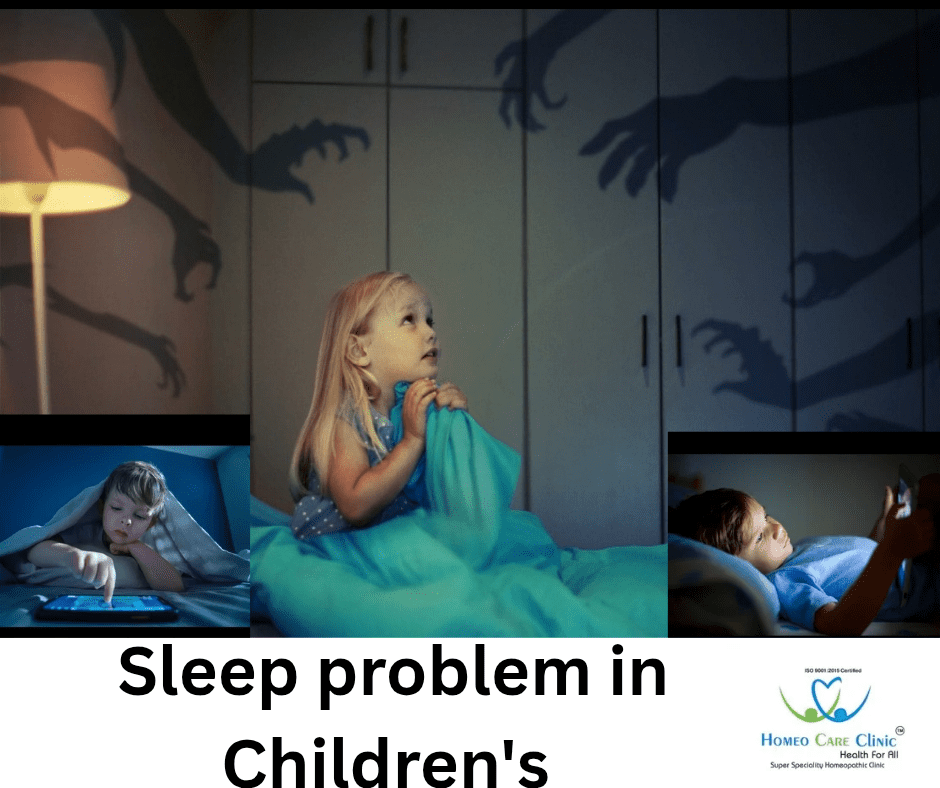
Sleep is one of the most crucial things for a child’s physical and mental health. While we sleep, our bodies make growth hormones, our immune systems get stronger, and our brains process what we’ve learned. A lot of parents, nevertheless, have trouble with things like getting up early in the morning, waking up often at night, or having sleep patterns that aren’t normal. Children who are growing up often have trouble sleeping. But it is important to think about it carefully when lack of sleep starts to affect behavior, appetite, mood, or schoolwork. Sleep problems are typically caused by more than just “not getting enough sleep.” They might be caused by deeper emotional, physical, or environmental causes. Recognizing patterns, triggers, and taking a balanced approach can make a big difference in a child’s overall health.
Type
Sleep difficulties can show themselves in different ways depending on the child’s age and personality.
Not Being Able to Sleep
The youngster has trouble falling asleep, doesn’t want to go to sleep, and keeps asking for water, stories, or company.
waking up often at night with crying, anxiety, or restlessness.
Night terrors:
screaming or being really scared as you sleep without knowing it.
Fears that the youngster will have bad dreams that they will talk about the next day.
While sleeping strolling or engaging in activities while partially unconscious.
Getting up early unable to fall back asleep after waking up considerably earlier than necessary.
Breathing Disorders During Sleep mouth breathing, snoring, or breathing pauses while you’re asleep.
Causes
Reasons Sleep problems almost seldom have just one reason. Most of the time, there are many things that play a role.
Emotional Factors Fear of the dark Stress in school Anxiety about being apart
Changes in the home (a new sibling, moving, or stress from parents)
Factors in the environment Too much screen time before bed Bedtime schedule that isn’t regular Loud noises or bright lighting Too much stimulation at night
Things that are physical Allergies or a blocked nose Discomfort in the digestive system Pains of growing Not enough iron Tonsils or adenoids that are too big
Patterns of behavior Reliance on rocking, feeding, or parental presence Naps that are late Eating a lot of sweets at night Also, knowing how the youngster acts can help.
Some kids are naturally more sensitive, creative, or worried, which might affect how well they sleep.
Symptoms
Signs that a child’s sleep problems are hurting them include:
Being irritable or crying a lot
Not being able to focus at school Being hyperactive
during the day Dark circles under the eyes
Less hunger Some people wet the bed.
Headaches or pain in the stomach Sometimes,
kids who don’t sleep well seem more energetic than weary, which might confuse parents.
General Approach with Side Effects
The severity and origin of the problem determine how conventional management works.
Therapy for Behavior
People often utilize sleep training methods, nighttime routines, and cognitive behavioral therapy. These methods are organized and need parents to stick to them
Supplements of melatonin
Sometimes suggested for people who have trouble falling asleep.
Possible adverse effects:
Sleepiness in the morning
Pain in the head
Changes in mood
Hormonal issues with long-term use
Antihistamines
Sometimes used to calm people down for a short time.
Possible adverse effects:
Mouth that is dry
Not being able to go to the bathroom
Sleepiness during the day
Some kids have hyperactivity that is the opposite of what you would expect.
Taking care of medical problems
If your tonsils are too big or you have trouble breathing, you may need to see an ENT doctor. If a deficiency is found, iron supplements may be recommended.
These methods may be useful in some circumstances, but keeping an eye on things and making individualized assessments are very important.
Homeopathy Approach
Homeopathy looks at sleep problems as a sign of the child’s general health. Before choosing a remedy, they look at the child’s mental state, thermal preference, phobias, cravings, and physical characteristics.
Here are five drugs that are often thought of for sleep problems in children:
1. Chamomilla
Child who is irritable and demanding
Always wants to be carried
Crying angrily
Teething pain kept me from sleeping well.
2. Coffea cruda
Mind that is too excited
It’s hard to go asleep since your mind is racing.
Noise-sensitive
Sleep was disrupted after a lot of happy exhilaration.
3. Stramonium
Extreme fear of the dark
Nightmares
Holds on to parents
Screams or talks while sleeping
4. Calcarea carbonica
Sweats on the head during sleeping
A child who is scared and worried
A tendency to miss important milestones
May like warmth and being covered
5. Cina
Can’t sleep well
Teeth grinding
Being irritable
Doubt about worm complaints
The choice of remedy is dependent on all of the symptoms, not only trouble sleeping. The strength and number of times depend on how old you are, how sensitive you are, and how healthy you are overall.
Chart for Diet
A healthy diet can help you sleep better.
In the morning
Almonds soaked in warm milk
Porridge made with whole wheat or poha and vegetables
Fresh fruit including bananas, apples, and papayas
Around Mid-Morning
Coconut water or fruit that’s in season
Lunch
Lentils or dal
Chapati or rice
Vegetables that are green
Curd (if you can handle it
Snack Time
Roasted nuts or makhana
Stay away from sugary drinks and packaged snacks.
Dinner (Early and Light)
Vegetable soup or khichdi
Light sabzi on soft chapati
Before You Go to Bed
Warm milk with a little nutmeg (if you want)
Stay away from:
Chocolate before bed
Caffeine or cola
Fried food that is heavy
One hour of screen time before bed
It’s vital to drink enough water during the day, but don’t drink too much right before bed.
Useful Sleep Hygiene Tips
Set times for going to bed and getting up
A calm bedtime routine including a tale, prayer, and soft music
Turn off the lights after dark.
Room temperature that is comfortable
Don’t do things that get you excited late at night.
Encourage kids to play outside during the day.
Being strict all the time is better than being strict only sometimes.
FAQS
1. How many hours of sleep does a youngster need?
Toddlers usually need 11 to 14 hours of sleep, while school-aged kids need 9 to 11 hours, depending on their age and how active they are.
2. Is it typical for kids to wake up at night?
Yes, especially for kids under five. But you might need to see a doctor if you wake up a lot.
3. Can screen time affect sleep?
Yes. Blue light suppresses melatonin production and overstimulates the brain.
4. When should parents consult a doctor?
If the child snores loudly, stops breathing during sleep, shows extreme daytime sleepiness, or behavioral decline.
5. Are sleep problems temporary?
Many of them are developmental and become better with regular changes, emotional support, and care.
Final Thoughts
Sleep problems in kids can be hard for families, but they can also give you an idea of how the child is doing emotionally and physically. A supportive environment for healthy sleep patterns can be created by gentle observation, a scheduled routine, dietary care, and tailored management.
Not only does a child who sleeps well develop physically stronger, but they also become emotionally comfortable and psychologically alert. Patience, understanding, and steady direction are all important for bringing peace back to bedtime.
“Your health deserves more than temporary relief. Choose homeopathy for lasting results”
About the Author Bio:
Dr. Vaseem Choudhary M.D is a seasoned classical homeopath with over 16+ years of experience, dedicated to treating patients with compassion, precision and holistic care. Mainly in Pune & Mumbai, serving both national and international patients from UK, USA, Germany, France, Canada, Bhutan, Dubai and China. With a wide range of acute and chronic conditions—from skin disorders, hormonal issues, and digestive problems to autoimmune diseases and mental health concerns.
Dr. Vaseem is widely respected for his unique approach that combines classical homeopathy, personalized diet planning, lifestyle guidance, and a spiritual perspective on healing. He is known for his detailed and empathetic case-taking process, which focuses on treating the root cause rather than just symptoms.
In recognition of his dedication and clinical excellence, Dr. Vaseem Choudhary MD has been honored with the Best Homeopathic Doctor in Pune award by leading platforms such as:
- Best Homeopathy Doctor in Pune – National Healthcare Service Excellence Awards 2024
- Most Trusted Centre for Autism and ADHD in India 2025 – Healthcare Excellence & Leadership Awards
- Best Homeopathy Doctor in Pune – Dr. Vaseem Choudhary Shines at Ayush 2nd International Conference, Dubai
- Recognized for spearheading homeopathic treatment protocols, improving patient satisfaction, and healthcare advancements.
He is also a contributing author to the International Journal of Homeopathy and Natural Medicines (IJHNM), where he shares his research and clinical experiences with the global medical community.
With a passion to take homeopathy to new heights, Dr. Vaseem continues to guide patients towards natural, safe, and sustainable healing.
Homeo Care Clinic offers a holistic approach to treating the disease. The remedies mentioned above can treat the underlying causes of the condition and offer relief from the discomfort. However, it is important to consult a qualified homeopathic practitioner for the correct dosage and duration of treatment. Homeo Care Clinic provides comprehensive care for various ailments, and offers customized treatment plans based on individual requirements.
To schedule an appointment or learn more about our treatment, please visit our website or give us a call +91 9595211594 our best homeopathy doctor will be here to help.
Follow us on Facebook, Twitter and Instagram for valuable insights into the world of homeopathy and holistic health.
- Facebook– https://www.facebook.com/homeocareclinicpune
- Instagram– https://www.instagram.com/homeocareclinic_in
- Website– https://linktr.ee/homeocareclinic
- Success Stories of Patients –https://www.homeocareclinic.in/category/case-study/
- Patient Testimonials – https://www.homeocareclinic.in/testimonial/
Chat with a best homeopathic doctor privately:
If you have any queries regarding your disease or any symptoms, click to send a What‘s App message. Our best homeopathy doctor will be happy to answer you. About Us Click
Book an Appointment:
If you want to visit our clinic, click to book an appointment.
Online treatment:
If you are a busy professional, or you are living in a remote town or city, with no per best homeopathic doctor near you, Click to start an online homeopathic treatment with the world’s exclusive, most experienced and best homeopathic clinic, managed by Dr. Vaseem Choudhary world-renowned homeopathic doctor expert
- About Us – https://www.homeocareclinic.in/about-us/
- Our Doctors –https://www.homeocareclinic.in/team/