Diet Chart for Ringworm (Tinea): Complete Anti-Fungal Nutrition Guide by Dr. Vaseem Choudhary
|
MEDICAL DISCLAIMER This content is for educational and informational purposes only and is NOT a substitute for professional medical advice, diagnosis, or treatment. Always consult Dr. Vaseem Choudhary or a qualified homeopathic practitioner before starting, changing, or stopping any treatment. Do NOT self-medicate with homeopathic remedies. In case of emergency, contact your nearest hospital immediately. |
What Is Ringworm and How Does Diet Affect Recovery?
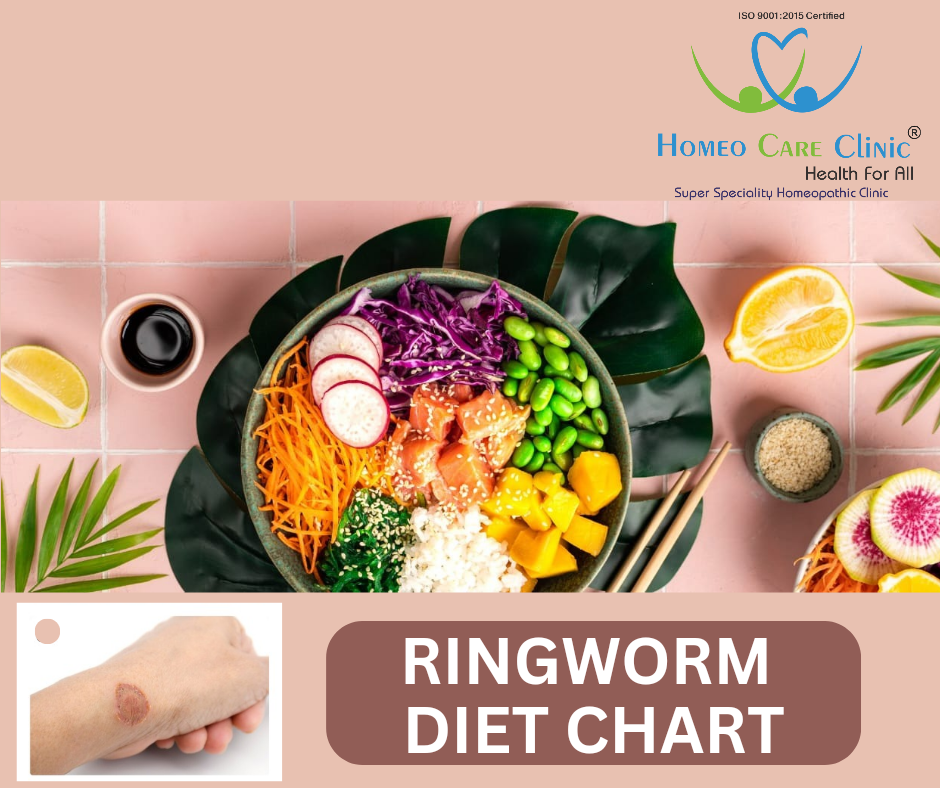
Ringworm – medically known as Tinea corporis – is a highly contagious fungal skin infection caused by dermatophytes, a group of fungi that thrive on keratin present in the skin, hair, and nails. Despite its misleading name, ringworm has nothing to do with worms. The infection presents as red, itchy, scaly, ring-shaped patches on the skin and can spread rapidly through direct skin contact, shared clothing, towels, or contaminated surfaces.
At Homeo Care Clinic, Dr. Vaseem Choudhary treats ringworm as a condition that reflects both external exposure and internal immune vulnerability. A patient with a strong, well-nourished immune system can resist dermatophyte colonisation even after exposure. Conversely, a diet high in sugar, refined carbohydrates, and processed foods creates an internal biochemical environment that encourages fungal proliferation.
This diet chart has been prepared by Dr. Vaseem Choudhary based on 16+ years of clinical observation at Homeo Care Clinic in Pune. Following this nutritional guidance alongside your prescribed homeopathic treatment creates a powerful synergy that accelerates healing, reduces recurrence, and strengthens the immune system against future fungal infections.
Why Sugar and Refined Carbohydrates Worsen Ringworm
Fungi feed on sugars. When you consume large quantities of refined sugar (sweets, soft drinks, pastries) or refined carbohydrates (white rice, white bread, pasta), blood glucose rises and creates an environment where fungal cells can thrive and multiply more aggressively. This is why patients who follow a high-sugar diet often experience slower healing and more frequent recurrences of ringworm.
Additionally, excessive sugar intake suppresses immune cell function by up to 50% for several hours after consumption, reducing the body’s ability to mount an effective immune response against the dermatophyte infection. Understanding this connection helps patients make informed dietary choices that directly support their treatment outcomes.
Daily Diet Chart for Ringworm Management
This structured meal plan has been designed to maximize antifungal immune support while minimizing foods that feed fungal infections. Portions should be adjusted based on individual body weight, age, and activity level.
| Time | Recommended Meal / Food |
| 6:30 AM (Wake up) | Warm water with half a lemon squeezed in (alkalizes body, supports liver detox) or warm water with a teaspoon of apple cider vinegar (natural antifungal) |
| 8:00 AM (Breakfast) | Option 1: Oats porridge with chia seeds, flaxseeds, and a handful of almonds – Option 2: Multigrain toast with avocado and a boiled egg – Option 3: Fresh fruit salad with berries, kiwi, and papaya (high vitamin C) |
| 10:30 AM (Mid-morning) | Coconut water (naturally antifungal and hydrating) or green tea with ginger (antioxidant and antifungal properties) |
| 1:00 PM (Lunch) | Brown rice or 2 whole wheat chapatis with lentil dal (protein and zinc) plus steamed vegetables such as spinach, broccoli, or bitter gourd (karela) – add 1 tsp turmeric to cooking |
| 4:00 PM (Snack) | A small handful of mixed nuts (almonds, walnuts, pumpkin seeds) or a bowl of probiotic yogurt (plain, unsweetened) with a pinch of turmeric |
| 6:30 PM (Evening) | Garlic and ginger vegetable soup (both are powerful natural antifungals) with whole grain crackers |
| 8:00 PM (Dinner) | Option 1: Grilled fish or chicken (lean protein with zinc and selenium) with sauteed spinach and garlic – Option 2: Lentil soup with steamed vegetables and one small whole wheat chapati |
| 9:30 PM (Before bed) | Warm turmeric milk (golden milk) – anti-inflammatory and immune-boosting. Use low-fat or plant-based milk |
Top Antifungal Foods to Eat During Ringworm Treatment
Certain foods have scientifically demonstrated antifungal or immune-boosting properties that directly support recovery from ringworm:
– Garlic: contains allicin, one of nature’s most potent antifungal compounds. Include raw garlic in cooking daily
–Ginger: has broad-spectrum antimicrobial properties and reduces skin inflammation associated with ringworm
– Coconut oil and coconut water: contain caprylic acid and lauric acid, both of which have documented antifungal activity
– Turmeric: curcumin has powerful anti-inflammatory and antifungal effects – use in cooking or as golden milk
– Probiotic-rich foods: yogurt (curd), kefir, and fermented foods like idli, dosa, or pickled vegetables support gut immunity
– Citrus fruits and berries: high vitamin C content boosts immune cell production and collagen for skin repair
– Pumpkin seeds and sesame seeds: excellent sources of zinc which is critical for skin healing and immune defence
– Leafy greens: spinach, kale, and fenugreek leaves provide antioxidants, iron, and folate for immune support
Foods to Strictly Avoid During Ringworm Treatment
The following foods either feed fungal growth, suppress immune function, or impede skin healing. They should be minimised or eliminated during the treatment period:
–All refined sugars: white sugar, jaggery in large quantities, sweets, pastries, cakes, chocolates, and fizzy drinks
– Refined carbohydrates: white bread, white rice, maida (refined wheat flour), pasta, and instant noodles
– Alcohol: significantly suppresses immune function and provides simple sugars that feed fungal growth
– Processed and packaged foods: chips, biscuits, instant soups – high in preservatives that impair liver detox
– Full-fat dairy products: cream, cheese, and full-fat milk can increase mucus and inflammatory response
– Fermented alcohol-based products: beer, wine, and fermented spirits worsen fungal proliferation
– Peanuts and peanut butter: often contaminated with aflatoxin mould and can worsen systemic fungal burden
Hygiene and Lifestyle Practices to Speed Recovery
Essential Do’s
– Wash the affected area twice daily with antifungal soap and dry thoroughly – fungus thrives in moisture
– Change underwear, socks, and clothing daily and wash in hot water (above 60 degrees C) to kill fungal spores
– Wear loose-fitting, breathable cotton clothing to reduce sweat and humidity around affected areas
– Keep nails short and clean to prevent inadvertent spread through scratching
– Expose affected skin to indirect sunlight for 15-20 minutes daily – UV light inhibits fungal growth
Critical Don’ts
– Do not scratch ringworm lesions – scratching spreads fungal spores to new skin areas and introduces bacterial infection
– Do not share towels, bed linen, clothing, combs, or sports equipment with others
– Avoid synthetic fabrics (polyester, nylon) that trap sweat and create ideal fungal growth conditions
– Do not use corticosteroid creams on ringworm without medical guidance – they can suppress immune response locally and worsen the infection, leading to ‘tinea incognito’
Homeopathic Treatment for Ringworm at Homeo Care Clinic
In addition to dietary management, Dr. Vaseem Choudhary prescribes individualized homeopathic remedies for ringworm treatment. The most commonly indicated remedies include Tellurium (circular ringworm patches), Sepia (brownish or purplish lesions), Bacillinum (chronic or recurrent ringworm, especially of the scalp), Sulphur (itching worse at night or from warmth), and Chrysarobinum (thick, crusty ringworm lesions).
Each remedy is selected based on the exact character of the lesion, its location, the modalities (what makes it better or worse), and the patient’s overall constitution. This individualized approach ensures that homeopathy addresses not just the surface infection but the underlying susceptibility that allowed the fungal infection to take hold in the first place.
Frequently Asked Questions – Diet and Ringworm
Q1: How long should I follow this diet chart for ringworm?
Continue the antifungal diet throughout your treatment period and for at least 2-4 weeks after the lesions have completely resolved. This prevents relapse by ensuring the internal environment is no longer favourable to fungal regrowth.
Q2: Can eating yogurt (curd) help with ringworm?
Yes. Plain, unsweetened probiotic yogurt supports gut flora which is central to immune defence. However, sweetened commercial yogurt should be avoided as the added sugar counteracts the benefits.
Q3: Should I apply coconut oil on ringworm?
Coconut oil contains lauric acid and caprylic acid with documented antifungal properties. Applying virgin coconut oil topically to ringworm lesions can help alongside your prescribed treatment. However, it should not replace medical treatment.
Q4: Can ringworm come back after treatment?
Yes, ringworm can recur if dietary and hygiene habits are not corrected. Homeopathic treatment at Homeo Care Clinic addresses the constitutional susceptibility to fungal infections, reducing the likelihood of recurrence significantly.
Q5: Is it safe to eat non-vegetarian food during ringworm treatment?
Yes. Lean proteins such as chicken, fish, and eggs are beneficial as they provide zinc, selenium, and B vitamins essential for immune function and skin repair. Avoid processed meats and shellfish which may trigger inflammatory responses.
References & Medical Sources
[1] Weitzman I, Summerbell RC. The dermatophytes. Clinical Microbiology Reviews. 1995;8(2):240-259.
[2] Gupta AK, Cooper EA. Update in antifungal therapy of dermatophytosis. Mycopathologia. 2008;166(5-6):353-367.
[3] Nielsen H et al. Garlic (Allium sativum) as an antifungal agent. Journal of Applied Microbiology. 2016.
[4] Coconut oil antifungal properties – Bergsson G et al. Antimicrobial Agents and Chemotherapy. 2001;45(11):3209-3212.
[5] Choudhary V. Integrated homeopathic and dietary approach to recurrent tinea infections. IJHNM Clinical Case Series; Homeo Care Clinic, Pune.