

HOMEOPATHY FOR PERIOD PAIN
Menstrual disorders are a group of conditions that affect the normal menstrual cycle in women of reproductive age. A menstrual cycle bleeding lasts for 2 to 7 days, continuing between 21 to 35 days. Any change in the frequency, regularity, duration or volume of menstrual flow is identified as a disorder.
CAUSES OF MENSTRUAL DISORDERS
Menstrual disorders originate from factors such as hormonal system, reproductive organs, lifestyle, and general health. Few causes are:
-
Hormonal Imbalances
- Polycystic Ovary Syndrome: Excess androgens and irregular ovulation.
- Thyroid Disorders: Hypothyroidism or hyperthyroidism affecting cycle length and flow.
- Hyperprolactinemia: Elevated prolactin disrupts ovulation.
- Perimenopause or premature ovarian failure: It occurs with fluctuating estrogen and progesterone levels.
-
Gynecological Conditions
- Uterine Fibroids and Polyps: Heavy or prolonged bleeding continues.
- Endometriosis and Adenomyosis: Heavy painful or irrgular periods, persists.
- Pelvic Inflammatory Disease: Infections occur affecting cycle and flow.
- Congenital abnormalities: Structural defects of uterus, cervix, or vagina persists.
-
Medical Conditions
- Blood disorders such as clotting disorders lead to excessive menstrual bleeding.
- Chronic illnesses such as diabetes, liver, or kidney disease disturb hormonal balance.
- Medications such as hormonal therapy, anticoagulants, chemotherapy or psychiatric drugs.
-
Lifestyle Factors
- Stress and emotional disturbances affect hypothalamic-pituitary-ovarian axis.
- Extreme exercise or weight Changes, both obesity and underweight disturb hormones.
- Nutritional deficiencies such as iron, vitamin D and essential fatty acids.
- Poor Sleep alters reproductive harmones and melatonin.
-
Pregnancy-related causes
- Early pregnancy or micarriage leads to abnormal bleeding.
- Contraceptives cause spotting, irregular or absent periods.
- Postpartum and lactation suppresses cycles by producing prolactin.
TYPES OF MENSTRUAL DISORDERS
Menstrual disorders are based on changes in cycle, frequency, duration, volume of flow, or associated pain.
-
Disorders of absence or reduced Menstruation
- Amenorrhea: absence of menstruation.
- Primary amenorrhea: late menarche by 15-16 yrs.
- Secondary amenorrhea: stoppage of periods for 3–6 months in a woman who previously had cycles.
- Hypomenorrhea: light or scanty periods.
- Oligomenorrhea: Infrequent cycles, taking more than 35 days.
-
Disorders of Excessive or Frequent Menstruation
- Menorrhagia – Excessive bleeding or prolonged periods.
- Polymenorrhea – Very frequent cycles
- Metrorrhagia – Irregular bleeding, between cycles.
- Menometrorrhagia – Heavy and irregular bleeding, both in flow and volume.
-
Painful Menstruation
- Dysmenorrhea – Severe pain during menstruation.
- Primary dysmenorrhea: Severe pain in adolescents without pelvic pathology
- Secondary dysmenorrhea: mostly due to underlying disease.
-
Premenstrual Disorders
- Premenstrual Syndrome: Physical, emotional, and behavioral symptoms before menstruation.
- Premenstrual Dysphoric Disorder: Severe form with frequent mood swings.
-
Irregular Shedding and Ovulatory Disorders
- Anovulatory cycles: Absence of ovulation, leading to irregular or heavy bleeding.
- Dysfunctional Uterine Bleeding: Abnormal bleeding without structural cause.
SYMPTOMS OF MENSTRUAL DISORDERS
The presentation differs by type of disorder,few symptoms include:
- Changes in menstrual flow such as heavy bleeding with large clots, continuing for 7 days with scanty flow or spotting-like bleeding or irregular cycles such as too frequent, too infrequent or missed periods persists.
- Pain-Related Symptoms such as cramping pain before or during menstruation with backache and headache persists.
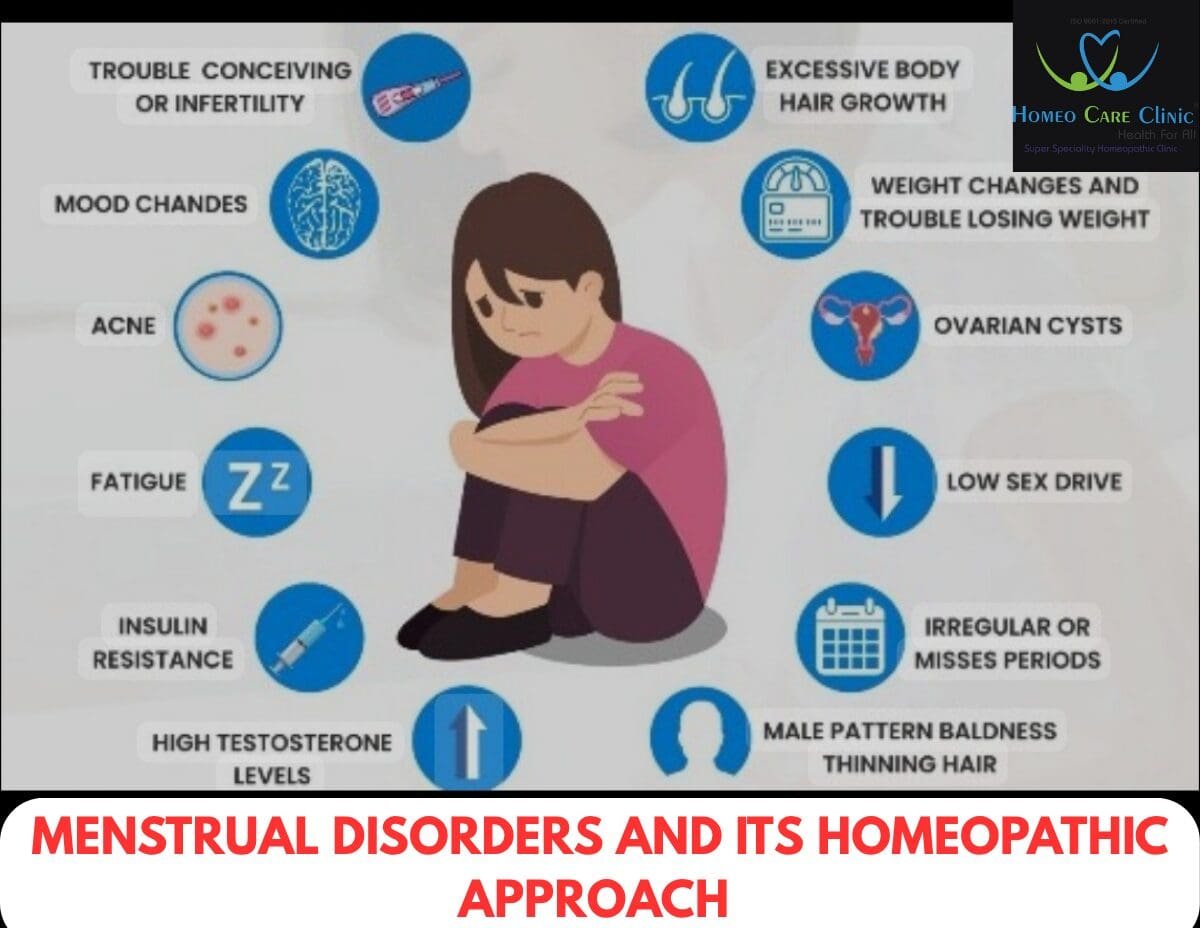
- Cycle-Related systemic and emotional symptoms such as breast tenderness with bloating, mood swings, irritability, anxiety, depression, weight fluctuations and sleep disturbances persists.
- Other Associated Symptoms: infertility issues, absence of bleeding or spotting or bleeding between cycles or postmenstrual or prolonged spotting including anemic signs such as weakness, dizziness, pale skin, shortness of breath persists.
GENERAL APPROACH WITH SIDE-EFFECTS OF MENSTRUAL DISORDERS:
The management of menstrual disorders depends on accurate diagnosis, which involves:
- History and Examination:
- Detailed menstrual history is taken, such as menarche, cycle, length, duration, flow pattern.
- Associated symptoms such as pain, mood changes, infertility, systemic signs.
- Family history, lifestyle, stress levels, medications.
- Physical & pelvic examination.
- Investigations:
- Blood tests such as CBC, thyroid profile, prolactin, hormone is done.
- Imaging such as pelvic ultrasound is done, to detect fibroids, PCOS, cysts, adenomyosis.
- Other tests such as pap smear, hysteroscopy, endometrial biopsy is done.
- Management Strategy:
- Lifestyle modifications: Balanced diet, stress reduction, adequate sleep, regular exercise, weight management.
- Medical treatment: NSAIDs for pain relief.
- Hormonal therapy such as oral contraceptives, progestins, IUDs.
- Surgical treatment such as Myomectomy, hysteroscopy, laparoscopy, or hysterectomy is done.
Side Effects / Complications of Menstrual Disorders
If untreated or chronic menstrual disorders leads to:
- Physical Complications such as anemia due to heavy or prolonged bleeding symptoms such as weakness persists, infertility.
- Chronic pelvic pain occurs with endometriosis or adenomyosis. Hormonal imbalance related issues such as Acne, hirsutism, weight gain persists.
- Irregular or heavy periods leads to anxiety, irritability, low self-esteem and social withdrawal.
- Quality of Life affects work, due to pain or heavy flow.
- Medical and surgical risks such as endometrial hyperplasia or cancer may occur.
DAILY DIET PLAN:
- Early Morning : Warm water with lemon or soaked fenugreek seeds to be taken.
- Breakfast: Vegetable oats porridge with few soaked almonds and walnuts.
- Mid-morning snack: Herbal tea with fruits to be taken.
- Lunch: Salad, brown rice or roti, dal or lean protein with green leafy vegetables has to be included.
- Evening snack: Green tea with handful of roasted seeds to be taken.
- Dinner: Multigrain roti, vegetable curry with curd should be preferred.
- Bedtime: Warm turmeric milk or chamomile tea to be taken.
HOMOEOPATHIC APPROACH WITH FEW MEDICINES
Homeopathy focuses on personalized treatment, regulating the hormonal cycle, reducing pain and improving overall well-being.
Five Homeopathic Medicines are:
- Pulsatilla: This medicine is used for delayed, scanty, or irregular periods. The complaints get better in the open air, and worse in a warm room.
- Sepia: This medicine is used for irregular, scanty periods or bearing-down sensation as if the uterus would fall out. It’s better from exercise, and worse from cold or damp weather.
- Cimicifuga: This medicine is used for severe cramps in the lower abdomen and back during menses. Pain worsens with movement, better with warmth.
- Calcarea Carbonica: This medicine is used for profuse, prolonged periods with dizziness and cold sweat. It’s worse from exertion and cold exposure.
- Lachesis: This medicine is used for dark, offensive menses too early, too profuse and complaints gets worse before and during periods.
⚠️* Note – Above medicines are for knowledge purpose only. DO NOT SELF MEDICATE, These remedies must be selected individually after a complete case-taking session
FAQs OF MENSTRUAL DISORDERS:
- When should I see a doctor?
Seek medical advice if you have:
- During heavy bleeding, periods lasting longer than 7 days, while missing periods for more than 3 months or in severe lower abdominal pain.
- Symptoms of anemia such as fatigue, paleness, breathlessness
- Can menstrual disorders affect fertility?
Yes. If untreated, disorders like PCOS, endometriosis, thyroid dysfunction, and chronic anovulation can cause infertility. Early diagnosis improves chances of conception.
- How are menstrual disorders diagnosed?
Diagnosis includes history, pelvic exam, blood tests ultrasound, and hysteroscopy or biopsy.
- What complications can occur if untreated?
If untreated, patient suffers from anemia by heavy bleeding, infertility, lower abdominal pain,stress by poor quality of life, endometrial hyperplasia or cancer.
- What is the general treatment approach?
- Lifestyle changes such as healthy diet, weight control and stress management has to be done.
- Medicines: NSAIDs, hormonal therapy supplements.
- Surgery: Myomectomy, hysteroscopy, laparoscopy, or hysterectomy.
- Can diet help manage menstrual disorders?
Yes. A diet rich in iron, calcium, magnesium, omega-3 fatty acids, vitamin B-complex, and antioxidants supports hormonal balance and reduces cramps. Avoid excessive sugar, caffeine, alcohol and processed foods.
Start your journey towards better focus today.
Homeo Care Clinic offers a holistic approach to treating the disease. The remedies mentioned above can treat the underlying causes of the condition and offer relief from the discomfort. However, it is important to consult a qualified homeopathic practitioner for the correct dosage and duration of treatment. Homeo Care Clinic provides comprehensive care for various ailments, and offers customized treatment plans based on individual requirements.
To schedule an appointment or learn more about our treatment, please visit our website or give us a call +91 9595211594 our best homeopathy doctor will be here to help.
Follow us on Facebook, Twitter and Instagram for valuable insights into the world of homeopathy and holistic health.
- Facebook– https://www.facebook.com/homeocareclinicpune
- Instagram– https://www.instagram.com/homeocareclinic_in
- Website– https://linktr.ee/homeocareclinic
- Success Stories of Patients –https://www.homeocareclinic.in/category/case-study/
- Patient Testimonials – https://www.homeocareclinic.in/testimonial/
Chat with a best homeopathic doctor privately:
If you have any queries regarding your disease or any symptoms, click to send a What‘s App message. Our best homeopathy doctor will be happy to answer you. About Us Click
Book an Appointment:
If you want to visit our clinic, click to book an appointment.
Online treatment:
If you are a busy professional, or you are living in a remote town or city, with no best homeopathic doctor near you, Click to start an online homeopathic treatment with the world’s exclusive, most experienced and best homeopathic clinic, managed by Dr. Vaseem Choudhary world-renowned homeopathic doctor expert
About the Author Bio:
Dr. Vaseem Choudhary, is a seasoned classical homeopath with over 16 years of experience, dedicated to treating patients with compassion, precision and holistic care. Mainly in Pune & Mumbai, serving both national and international patients from UK, USA, Germany, France, Canada, Bhutan, Dubai & China. With a wide range of acute and chronic conditions—from skin disorders, hormonal issues, and digestive problems to autoimmune diseases and mental health concerns.
Dr. Vaseem is widely respected for his unique approach that combines classical homeopathy, personalized diet planning, lifestyle guidance, and a spiritual perspective on healing. He is known for his detailed and empathetic case-taking process, which focuses on treating the root cause rather than just symptoms.
In recognition of his dedication and clinical excellence, Dr. Vaseem has been honored with the Best Homeopathic Doctor in Pune award by leading platforms such as:
- Hindustan Times
- National Health Care Awards
- Punekar News Health Excellence Forum
He is also a contributing author to the International Journal of Homeopathy and Natural Medicines (IJHNM), where he shares his research and clinical experiences with the global medical community.
With a passion to take homeopathy to new heights, Dr. Vaseem continues to guide patients towards natural, safe, and sustainable healing.
- About Us – https://www.homeocareclinic.in/about-us/
- Our Doctors –https://www.homeocareclinic.in/team/