

I had a patient come in last Tuesday. It was pouring rain—that heavy, blinding Pune monsoon rain that just ruins your whole morning. She walked into the clinic, completely soaked, stood in the middle of the waiting room, and just started sobbing.
Not a little sniffle. Full-blown, chest-heaving hyperventilation. Why? Because someone took the parking spot she was waiting for.
I handed her a box of tissues, got her a glass of water, and just sat with her for a minute. And sitting there, I just thought about how incredibly exhausting it must be to live like that. To have the volume dial on your emotions glued permanently to maximum. Every minor annoyance feels like a tragedy. Every slight feels like a betrayal. That’s what Emotional Dysregulation Disorder looks like in the real world.
We all get moody. I mean, I cried watching a weirdly sad car commercial last week. But this? This is entirely different. You aren’t just treating a bad mood. You are dealing with a nervous system that has essentially lost its shock absorbers. You hit a pebble, and the whole car falls apart.
Trying to explain this condition to someone who doesn’t have it is tough. They just tell you to “calm down.” Which is the single worst thing you can say to someone who is actively spiraling. It doesn’t work. It’s like telling someone with asthma to just breathe better.
So let’s break this down. No medical jargon. No clinical fluff. Let’s just talk about what this actually is, why the brain gets stuck like this, and how we approach the whole mess from a totally different angle.
So, What Actually Is Emotional Dysregulation Disorder?
Think of your brain like a house with a fire alarm system.
For most of us, if we burn a piece of toast, the smoke detector might beep once. You wave a towel at it, open a window, and go back to drinking your coffee. The alarm matches the threat.
For someone with this disorder, the smoke detector is broken. You burn a piece of toast, and the brain triggers the entire sprinkler system. The sirens blare. The fire department gets called. The reaction is so massive, so intense, and so overwhelming that it takes hours—sometimes days—to clean up the mess.
They can’t self-soothe. You know that feeling when you miss a step on the stairs? That sudden, terrifying stomach drop? Imagine feeling that exact level of panic just because a friend left your text message on ‘read’.
It’s agonizing. They aren’t doing it for attention. The emotion hits them with a physical force. They just lack the internal brakes to slow the feeling down before it crashes the car.
The Real Causes of This Mess
Why does the brain’s alarm system break? It’s complicated, honestly. But the main causes usually come down to a few very specific things.
First, trauma. This is the big one. There was a massive study done by Kaiser Permanente back in 1998 on Adverse Childhood Experiences (ACEs). They basically proved that if you go through really scary, chaotic, or abusive stuff as a kid, your brain literally wires itself differently. If you grew up in a house where you constantly had to walk on eggshells, your nervous system gets stuck in survival mode. You grow up, you move out, you get a safe job. But your brain? Your brain still thinks a tiger is chasing you.
Then there is actual brain anatomy. The amygdala is the part of your brain that handles fear and heavy emotions. In people with this condition, the amygdala is basically working overtime. And the prefrontal cortex—the logical part of the brain that’s supposed to tell the amygdala to chill out—is sluggish. It’s a communication failure.
Genetics definitely play a role too. If your parents had massive mood swings or couldn’t handle stress, there is a very good chance you inherited a nervous system that is just a bit more fragile than average.
The Symptoms You Actually See
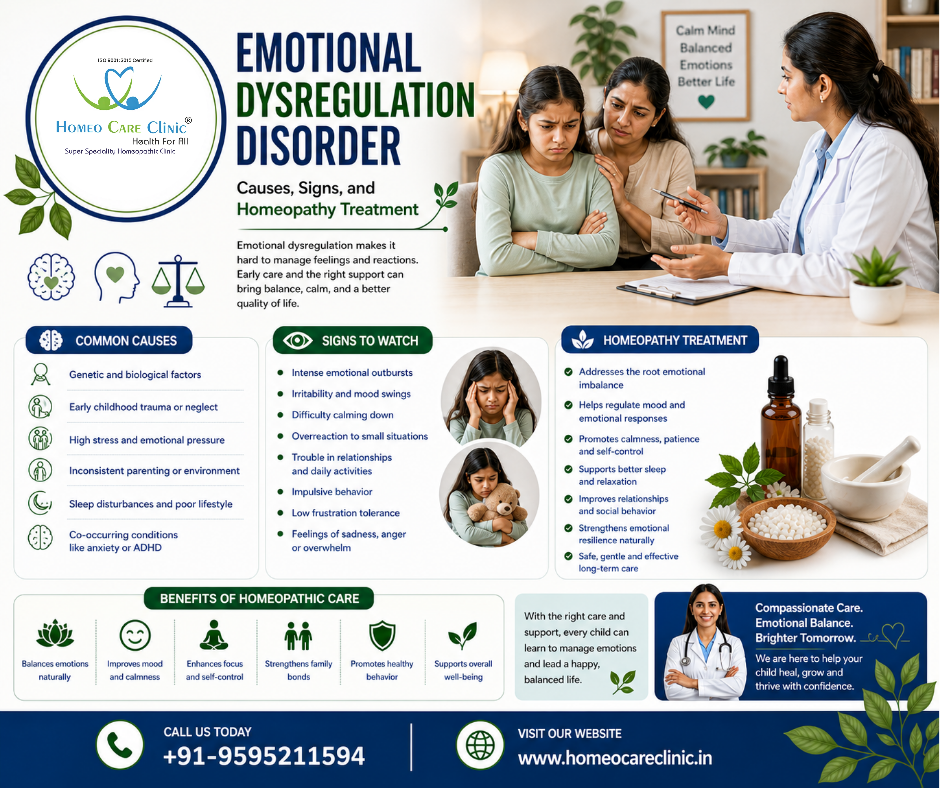
How do you know if you are just having a bad week, or if this is an actual clinical issue? You look at the fallout. The symptoms aren’t just “being sad.” They destroy your actual life.
Here is what the real symptoms look like:
- Extreme, terrifying mood swings that happen in minutes. You are perfectly happy at breakfast, and suicidal by lunch because of one bad email.
- Violent outbursts of anger over basically nothing. Screaming, throwing things, or punching walls.
- Severe trouble with relationships. The classic “I hate you, don’t leave me” dynamic.
- Zoning out completely. When the emotion gets too big, the brain just pulls the plug. You dissociate. You feel numb, empty, or like you are watching yourself from outside your body.
- Self-destructive behavior to cope with the pain. Binge eating, reckless spending, picking fights, or worse. They just need an escape hatch from their own head.
Conventional Treatment
So you go to a regular psychiatrist. What do they do?
Usually, they send you to therapy. Specifically, Dialectical Behavior Therapy (DBT). It was invented by this brilliant woman named Marsha Linehan, and it’s actually amazing. It teaches you how to tolerate distress without burning your life down. But it takes years. And finding a good DBT therapist who isn’t booked out until next Christmas is nearly impossible.
Then come the medications. They throw heavy antidepressants (SSRIs) or mood stabilizers at you. The goal is to raise the floor and lower the ceiling on your emotions. And yeah, for some people, it keeps them alive. I won’t argue with that.
But for a lot of my patients? The pills just throw a heavy, wet blanket over their entire brain. Sure, you stop screaming at your husband. But you also stop laughing. You stop caring about your hobbies. You gain forty pounds, you feel like a zombie, and you just sort of exist in this weird grey fog.
Homeopathy Treatment
This is where we take a hard left turn. I am not trying to numb you. I hate the zombie effect. The goal of a proper homeopathy treatment isn’t to erase your emotions. It’s to fix the broken shock absorbers.
We don’t use heavy synthetic chemicals. We look at exactly how you lose control. Are you an angry crier? Do you go cold and silent? Do you throw things? Your specific reaction tells me exactly which remedy your nervous system needs to reset itself.
Here are 5 medicines we use constantly for emotional regulation issues:
1. Ignatia Amara
- Indicated for: Acute grief, sudden emotional shocks, and holding it all in.
- Best suited for: The person who tries so hard to keep it together. They bite their lip. They sigh a lot. They get this weird, tight feeling in their throat like a lump they can’t swallow. But when they finally crack? It is a hysterical, unpredictable mess of laughing and crying at the same time.
- Key actions: It totally stabilizes the acute shock response. It helps the nervous system process sudden grief or disappointment so it doesn’t get trapped in the physical body and turn into hysterical outbursts.
2. Natrum Muriaticum
- Indicated for: Deep, chronic emotional pain and extreme defensiveness.
- Best suited for: The wall-builders. They get hurt, and instead of yelling, they build a fortress. They push everyone away. If you try to comfort them when they are crying, they actually get furious. They only cry when they are completely alone, usually locked in a bathroom or sitting in a parked car.
- Key actions: It gently breaks down that massive, hardened defensive wall. It allows the person to actually process old resentments and hurts without feeling dangerously exposed or vulnerable.
3. Pulsatilla Nigricans
- Indicated for: Clingy, weeping, desperately needy emotional swings.
- Best suited for: The person whose emotions are like a weather vane. One minute they are happy, the next they are sobbing. They just feel so abandoned. They don’t want to be alone. If they are upset, they just want you to hug them and tell them they are loved. If they feel ignored, the world is literally ending.
- Key actions: It grounds them. It takes away that desperate, frantic need for outside validation and stops the endless, exhausting weeping over perceived slights.
4. Chamomilla
- Indicated for: Unbearable irritability and anger that makes no sense.
- Best suited for: We use this for kids a lot, but adults need it too. It’s the “I want it, but I don’t want it” feeling. They demand something, you give it to them, and they throw it back in your face. They are so irritable that they literally cannot stand themselves. Every single word you say annoys them.
- Key actions: It massively cools down raw, hypersensitive nerves. It drops the aggressive irritability down to zero and lets the brain actually tolerate normal frustrations without snapping.
5. Lachesis Mutus
- Indicated for: Extreme jealousy, suspicion, and manic talking.
- Best suited for: The person whose emotions feel like poison if they don’t get them out. They get upset and they just talk. And talk. They will talk over you, fast and loud, usually bringing up stuff from five years ago. They get insanely jealous and suspicious of their partner for no actual reason.
- Key actions: It acts like a release valve for toxic emotional pressure. It calms the paranoid jealousy and stops the manic, overwhelming verbal diarrhea that ruins their relationships.
Why Choose Homeo Care Clinic
You can’t treat this by Googling your symptoms at 2 AM. You just can’t. It is too messy. You need someone who knows how to untangle the wires without making it worse.
That’s why people end up sitting across the desk from Dr. Vaseem Choudhary at Homeo Care Clinic.
- Real, Grounded Experience: Dr. Vaseem Choudhary has been doing this for nearly twenty years. He has seen the meltdowns. He has heard the screaming. Nothing shocks him anymore. He knows how to find the exact remedy that matches your specific brand of emotional chaos.
- We Treat the Body Too: Emotions don’t just live in your head. People with this condition almost always have terrible IBS, migraines, or chronic back pain from holding so much tension. We treat the whole system. Fix the nerves, fix the gut.
- You Can Actually Reach Us: When you are having a terrible week, you don’t want to sit in Pune traffic for two hours just to see your doctor. With clinics right in Viman Nagar, Hadapsar, and Magarpatta, you can actually get your follow-up appointments done without having a breakdown on the highway.
- No Judgement. Ever: You can come in and tell us the worst thing you did during an emotional spiral. You can tell us you screamed at your kid or broke your phone. We don’t judge. We just figure out how to stop it from happening again.
Benefits of Homeopathy
Why even go this route? Why not just take the heavy sedatives and call it a day?
- You Keep Your Personality: Our remedies don’t flatten you out. You will still be you. You will still laugh loud and care about things. The only thing that disappears is the feeling that your emotions are holding you hostage.
- No Brutal Side Effects: You don’t have to choose between your mental health and your physical health. These nanomedicines won’t make you gain fifty pounds. They won’t destroy your libido. They won’t make your hands shake.
- It Works Deep: We aren’t just putting a band-aid over a bullet hole. We are trying to actually fix the way your nervous system interprets stress.
- Safe to Combine: If you are already in DBT therapy, or even if you are trying to slowly taper off regular psych meds (under a doctor’s supervision, obviously), homeopathy works perfectly alongside them. No weird chemical interactions.
Lifestyle Adjustments
Look. I tell every single patient this. You can take the best medicine in the world, but if your daily life is a disaster, your brain will remain a disaster. You have to do the work at home.
- The Ice Water Trick: This sounds crazy, but it works. When you feel that massive, uncontrollable rage or panic building up, go to the bathroom. Fill the sink with freezing cold water. Dunk your face in it and hold your breath for ten seconds. It triggers the Mammalian Dive Reflex. It literally forces your heart rate to drop and physically interrupts the panic cycle in the brain.
- Stop the Doomscrolling: Your brain is already looking for threats. If you sit on your phone for three hours reading angry news or comparing yourself to fake people on Instagram, you are just feeding the monster. Put the phone in a drawer at 8 PM.
- Sleep is Non-Negotiable: If you sleep four hours a night, your prefrontal cortex—the brakes on your brain—basically shuts off. You have zero defense against your emotions the next day. You need a dark, cold room and eight solid hours. Period.
- Move the Energy: Anger and panic are physical energy. You can’t just think your way out of them. You have to move. Go for a fast walk. Lift something heavy. Do twenty pushups. Give the adrenaline somewhere to go so it doesn’t just vibrate in your chest.
Diet Adjustments
What you eat is basically the software your brain runs on. Feed it garbage, get garbage results.
- Fix the Blood Sugar Rollercoaster: This is huge. If you skip breakfast, drink two coffees, and then eat a donut at 2 PM, your blood sugar spikes and then crashes. A blood sugar crash feels exactly like a panic attack to your brain. You get shaky, sweaty, and terrified. Eat protein in the morning. Eggs. Nuts. Keep the blood sugar flat.
- Magnesium is Magic: Stress burns through your body’s magnesium supply like a wildfire. And magnesium is the mineral that physically relaxes your muscles and your nerves. Eat tons of dark leafy greens, pumpkin seeds, or just get a really good supplement.
- Cut the Caffeine: I know, I know. Nobody wants to hear this. But if your nervous system is already vibrating at a ten, pouring four cups of coffee on it is a terrible idea. Switch to green tea. Just try it for two weeks.
- Feed the Gut: Your gut manufactures most of your serotonin. If your gut is inflamed from eating processed junk, your brain will be inflamed. Eat fermented stuff. Curd. Kimchi. Get the gut bacteria happy, and the mind usually follows.
5 Commonly Asked FAQs
1. Is this the same thing as Bipolar Disorder?
- No. They look similar, but the timing is completely different.
- Bipolar mood swings last for days, weeks, or months.
- With dysregulation, your mood can swing wildly three times before lunch, usually triggered by something very specific that happened to you.
2. Can kids be diagnosed with this?
- Technically, kids are always a little dysregulated because their brains are still growing.
- But yes, if a kid is having massive, violent meltdowns that don’t fit their age group at all, we look at this.
- The sooner you treat a kid, the better. Don’t wait until they are teenagers and the problems get huge.
3. Will I always be like this?
- Not if you put the work in.
- The brain is plastic. It can rewire itself.
- Between good therapy, lifestyle changes, and the right homeopathy treatment, you can absolutely get to a place where you are in the driver’s seat of your life again.
4. How do I explain this to my partner without sounding crazy?
- Don’t use medical terms. Just tell them your fire alarm is broken.
- Explain that when you are in the middle of a spiral, you can’t hear logic.
- Tell them exactly what you need them to do when it happens—whether that’s giving you space, or just sitting quietly with you until the storm passes.
5. How long does the medicine take to work?
- You didn’t get this way overnight. A sugar pill isn’t going to fix ten years of trauma in an hour.
- But usually, within the first month, the extreme peaks and valleys start to smooth out. The blowups happen less often.
- Deep constitutional healing takes time. You have to be patient with yourself.
Conclusion
It’s just… hard.
Living with Emotional Dysregulation Disorder is like walking around with third-degree burns on your skin, and everyone keeps bumping into you and wondering why you are screaming. It is exhausting. It ruins relationships, it wrecks your self-esteem, and it makes you feel like you are fundamentally broken.
But you aren’t.
Once you understand the causes, you realize you didn’t ask for this. Your brain just wired itself for survival instead of peace. When you look at the symptoms, you can finally put a name to the chaos. You don’t have to rely on heavy drugs that just numb you out. There is a different way out of the woods. A solid homeopathy treatment at Homeo Care Clinic under Dr. Vaseem Choudhary doesn’t erase who you are. It just fixes the brakes.
You can get your life back. You just have to make the decision to actually start fixing the foundation, instead of just apologizing for the fires every single day. So take a breath. Drink a glass of water. And let’s get to work.
“Your health deserves more than temporary relief. Choose homeopathy for lasting results”
Start your journey towards better focus today.
About the Author Bio:
Dr. Vaseem Choudhary M.D is a seasoned classical homeopath with over 16+ years of experience, dedicated to treating patients with compassion, precision and holistic care. Mainly in Pune & Mumbai, serving both national and international patients from UK, USA, Germany, France, Canada, Bhutan, Dubai and China. With a wide range of acute and chronic conditions—from skin disorders, hormonal issues, and digestive problems to autoimmune diseases and mental health concerns.
Dr. Vaseem is widely respected for his unique approach that combines classical homeopathy, personalized diet planning, lifestyle guidance, and a spiritual perspective on healing. He is known for his detailed and empathetic case-taking process, which focuses on treating the root cause rather than just symptoms.
In recognition of his dedication and clinical excellence, Dr. Vaseem Choudhary MD has been honored with the Best Homeopathic Doctor in Pune award by leading platforms such as:
- Best Homeopathy Doctor in Pune – National Healthcare Service Excellence Awards 2024
- Most Trusted Centre for Autism and ADHD in India 2025 – Healthcare Excellence & Leadership Awards
- Best Homeopathy Doctor in Pune – Dr. Vaseem Choudhary Shines at Ayush 2nd International Conference, Dubai
- Recognized for spearheading homeopathic treatment protocols, improving patient satisfaction, and healthcare advancements.
He is also a contributing author to the International Journal of Homeopathy and Natural Medicines (IJHNM), where he shares his research and clinical experiences with the global medical community.
With a passion to take homeopathy to new heights, Dr. Vaseem continues to guide patients towards natural, safe, and sustainable healing.
Homeo Care Clinic offers a holistic approach to treating the disease. The remedies mentioned above can treat the underlying causes of the condition and offer relief from the discomfort. However, it is important to consult a qualified homeopathic practitioner for the correct dosage and duration of treatment. Homeo Care Clinic provides comprehensive care for various ailments, and offers customized treatment plans based on individual requirements.
To schedule an appointment or learn more about our treatment, please visit our website or give us a call +91 9595211594 our best homeopathy doctor will be here to help.
Follow us on Facebook, Twitter and Instagram for valuable insights into the world of homeopathy and holistic health.
- Facebook– https://www.facebook.com/homeocareclinicpune
- Instagram– https://www.instagram.com/homeocareclinic_in
- Website– https://linktr.ee/homeocareclinic
- Success Stories of Patients –https://www.homeocareclinic.in/category/case-study/
- Patient Testimonials – https://www.homeocareclinic.in/testimonial/
Chat with a best homeopathic doctor privately:
If you have any queries regarding your disease or any symptoms, click to send a What‘s App message. Our best homeopathy doctor will be happy to answer you. About Us Click
Book an Appointment:
If you want to visit our clinic, click to book an appointment.
Online treatment:
If you are a busy professional, or you are living in a remote town or city, with no best homeopathic doctor near you, Click to start an online homeopathic treatment with the world’s exclusive, most experienced and best homeopathic clinic, managed by Dr. Vaseem Choudhary world-renowned homeopathic doctor expert
- About Us – https://www.homeocareclinic.in/about-us/
- Our Doctors –https://www.homeocareclinic.in/team/