
Can Gut Health Affect Acne?
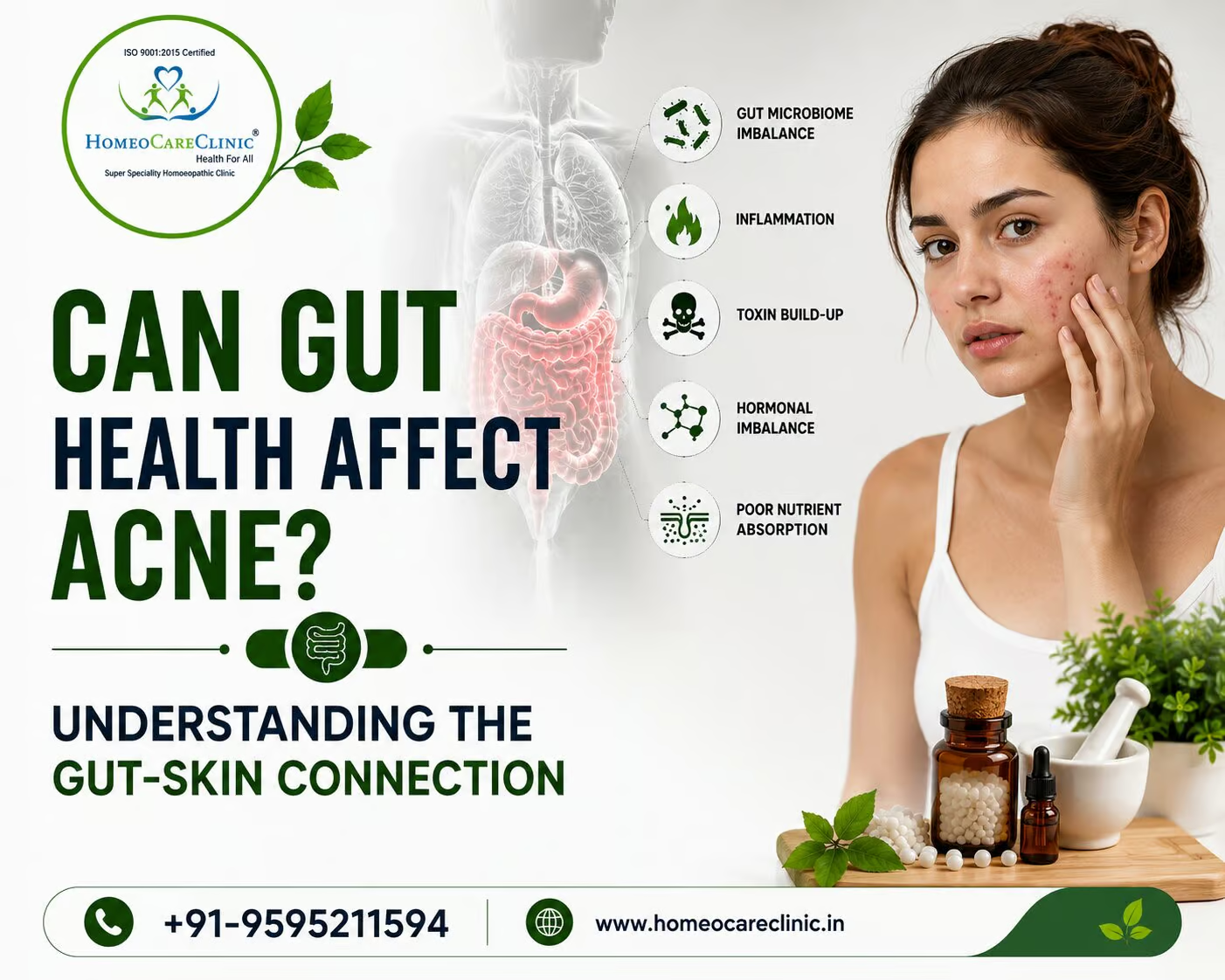
Yes, gut health may influence acne through the gut-skin axis, a complex communication pathway connecting the digestive system, immune system, and skin. Changes in the gut microbiome may affect inflammation and immune responses that are relevant to acne. However, acne is multifactorial, so gut health is only one potential influence—not a single proven cause or cure.
Acne can be frustrating: you follow a skincare routine, try different products, and still wake up with new breakouts.
But could the explanation begin somewhere other than your face?
Increasing research is exploring the relationship between the gut microbiome and skin health, making the gut-skin axis an interesting area of acne research.
So, can digestive problems cause acne? What does the microbiome have to do with your skin? And where does hormonal acne fit into the picture?
Let’s explore the science.
What Is the Gut-Skin Axis?
The gut-skin axis refers to the two-way relationship between the gastrointestinal system and the skin. The gut microbiome can interact with immune, inflammatory, and metabolic pathways that may influence skin health, while factors affecting the body and skin can also interact with the gut environment.
Think of your gut and skin as two connected ecosystems rather than completely separate systems.
The gut-skin axis involves:
- Gut microbiome
- Skin microbiome
- Immune function
- Inflammatory pathways
- Dietary patterns
- Metabolic processes
- Intestinal barrier function
Research has found associations between changes in the gut microbiome and several inflammatory skin conditions, including acne vulgaris. However, researchers are still working to understand exactly how these relationships affect individual patients.
How Can Gut Health Affect Acne?
Gut health may affect acne indirectly through inflammation, immune regulation, microbial metabolites, and dietary factors. Research suggests that gut microbiome changes may interact with pathways involved in acne, but this does not mean that every person with acne has a gut problem.
Several mechanisms are being investigated.
1. Gut Microbiome and Inflammation
The gut contains trillions of microorganisms that interact with the immune system.
When the balance of microorganisms changes—a state often described as dysbiosis—researchers are investigating whether this can influence inflammatory pathways relevant to skin conditions.
Inflammation is an important component of acne, so the gut-skin connection has become an area of growing research interest.
2. Gut Microbiome and Skin Health
The microbiome and skin health relationship isn’t limited to bacteria living on the skin.
The skin itself has a microbiome, while the digestive system has its own much larger microbial community.
These microbial ecosystems interact with the immune system and may influence skin barrier function and inflammation.
For acne, researchers are particularly interested in how changes in both gut and skin microbial communities may influence disease activity.
3. Intestinal Barrier and Immune Response
The intestinal lining acts as a barrier between the gut contents and the body’s internal environment.
Researchers are studying whether changes in intestinal barrier function and gut microbial balance can influence systemic immune responses that may affect inflammatory skin diseases.
This is one reason the gut-skin axis is being investigated in acne research—but more high-quality clinical research is needed before specific gut-based treatments can be recommended as a universal acne solution
Can Digestive Problems Cause Acne?
Digestive problems and acne may be associated in some people, but digestive symptoms do not automatically mean that they are causing acne. Acne has multiple contributing factors, including sebum production, follicular plugging, inflammation, hormones, genetics, and environmental influences. Gut health is an emerging area of research rather than a confirmed single cause of acne.
Some digestive concerns people may notice alongside skin problems include:
- Bloating
- Constipation
- Changes in bowel habits
- Abdominal discomfort
- Food intolerance symptoms
- Irregular digestion
However, having one of these symptoms does not prove that gut problems are responsible for acne.
If persistent digestive symptoms occur alongside acne, discussing both concerns with a qualified healthcare professional can help identify whether an underlying condition needs evaluation.
What Are Common Acne Triggers?
Acne triggers vary from person to person. Hormonal changes, genetics, skincare habits, certain medications, stress, and potentially some dietary patterns can contribute to breakouts. The American Academy of Dermatology notes that some studies associate high-glycemic foods and cow’s milk with acne, although research is not definitive for everyone.
Potential acne triggers include:
| Potential Trigger | How It May Relate to Acne |
| Hormonal changes | Can increase oil production and influence breakouts |
| Genetics | May increase susceptibility to acne |
| High-glycemic foods | May worsen acne in some people |
| Cow’s milk | Associated with acne in some studies |
| Stress | May aggravate existing acne |
| Comedogenic products | Can contribute to clogged pores |
| Certain medications | Some medicines can trigger acne-like eruptions |
| Excessive skin irritation | Can worsen breakouts |
Importantly, a trigger isn’t necessarily the root cause of acne.
Does Diet Affect the Gut-Skin Axis and Acne?
Diet may influence both the gut microbiome and acne-related pathways, but there is no single universally proven “acne diet.”
Research reviewed by the American Academy of Dermatology suggests that a low-glycemic dietary pattern may help reduce acne in some people, while some studies have associated cow’s milk consumption with more breakouts. More research is needed to determine exactly who benefits and why.
A balanced diet can include:
- Vegetables
- Fruits
- Whole grains
- Beans and legumes
- Nuts and seeds
- Adequate protein
- Sufficient water
- Minimally processed foods
Instead of eliminating multiple foods at once, keep track of your diet and breakouts to identify patterns.
Don’t make major dietary restrictions without professional guidance, particularly if you are pregnant, have a medical condition, or have nutritional concerns.
What Is the Connection Between Hormonal Acne and Gut Health?
Hormonal acne is primarily associated with hormonal influences on oil production and follicular activity. Gut health may interact with metabolic and inflammatory pathways, but current evidence does not establish poor gut health as the direct cause of hormonal acne. )
Hormonal acne commonly appears around:
- Chin
- Jawline
- Lower face
Some people notice breakouts around menstrual cycles or other hormonal changes.
If acne suddenly develops in adulthood, becomes persistent, or occurs alongside irregular periods or other hormonal symptoms, a healthcare professional can assess whether an underlying hormonal condition may be involved.
Gut Health, Microbiome and Acne: What Does the Research Say?
Research into the microbiome and acne is promising but still developing.
Reviews have identified connections among:
Gut microbiome → immune regulation → inflammatory pathways → skin environment
However, researchers have not established a simple formula where correcting the gut microbiome automatically clears acne.
A review of the gut-skin axis found associations between microbiome dysbiosis and acne, while another review noted that clinical trials of oral probiotics for acne remain limited.
What We Know vs What We Don’t
| What Research Suggests | What Is Not Yet Proven |
| Gut and skin microbiomes communicate with immune pathways | Every acne case is caused by gut imbalance |
| Microbiome changes may be associated with acne | Probiotics alone cure acne |
| Diet can influence acne in some people | One universal acne diet works for everyone |
| Inflammation plays an important role | Treating digestive symptoms automatically clears acne |
| Gut-skin research is expanding | Gut health should replace evidence-based acne treatment |
Can Probiotics Help Acne?
Probiotics are live microorganisms that may provide health benefits when consumed in adequate amounts. Researchers are studying whether probiotics can influence acne through changes in the gut microbiome, inflammation, and immune pathways. Some early studies are promising, but clinical evidence remains limited.
That means probiotics should not automatically be considered an acne cure.
Before taking a supplement, consider:
- Your overall health
- Existing medications
- Digestive symptoms
- The specific probiotic strain
- Professional medical advice
How to Support Gut and Skin Health Naturally
Supporting overall health may benefit both digestive and skin health.
1. Eat a Balanced Diet
Focus on a varied diet containing whole and minimally processed foods.
2. Prioritize Fiber-Rich Foods
Vegetables, fruits, legumes, and whole grains can contribute to a diverse diet that supports healthy gut microbes.
3. Stay Hydrated
Adequate hydration supports normal physiological functions, including digestion.
4. Manage Stress
Stress doesn’t necessarily cause acne, but it can aggravate existing breakouts in some people.
Try:
- Regular physical activity
- Meditation
- Adequate sleep
- Relaxation techniques
5. Follow a Consistent Skincare Routine
Gut health should not replace proper acne skincare.
Dermatologists recommend evidence-based acne treatments depending on acne type and severity.
When Should You See a Doctor for Acne?
Consider professional evaluation when acne:
- Is painful or deep
- Leaves scars
- Is persistent
- Suddenly becomes severe
- Doesn’t improve with appropriate skincare
- Is affecting confidence or quality of life
Deep, painful acne or acne that causes scarring often requires professional treatment rather than relying only on dietary or lifestyle changes.
If acne occurs alongside persistent digestive symptoms, irregular periods, significant hormonal symptoms, or unexplained changes in health, mention these symptoms during your consultation.
Can Homeopathy Help With Acne and Digestive Health?
If HomeoCare Clinic offers homeopathic consultation for acne, digestive concerns, or related conditions, you can naturally introduce the service here without making unsupported claims of a cure.
Suggested internal links:
- Acne Treatment
- Skin Disorders
- Digestive Disorders
- Women’s Health
- Hormonal Health
- Homeopathic Consultation
FAQs
Can gut health affect acne?
Yes, gut health may influence acne through the gut-skin axis, which connects the gut microbiome with immune and inflammatory pathways. However, acne has multiple causes, so gut health is only one potential factor. (
Can digestive problems cause acne?
Digestive problems and acne may occur together, but current evidence does not establish digestive problems as a universal direct cause of acne. Acne is influenced by hormonal, genetic, inflammatory, and environmental factors.
What is the gut-skin axis?
The gut-skin axis is the two-way relationship between the gastrointestinal system and skin involving the microbiome, immune system, inflammation, and metabolic pathways.
Can probiotics help acne?
Research is investigating probiotics as a possible supportive approach for acne. Some studies show potential benefits, but clinical evidence remains limited and probiotics should not be considered a guaranteed acne cure.
What foods can trigger acne?
Some research suggests that high-glycemic foods may worsen acne in some people. Cow’s milk has also been associated with acne in several studies, although the relationship is not definitive for everyone
Is hormonal acne caused by poor gut health?
Not necessarily. Hormonal acne is strongly associated with hormonal influences, while gut health is being studied for its potential role in inflammatory and metabolic pathways. It should not automatically be blamed on gut imbalance.
How can I improve my gut and skin health?
A balanced diet, adequate fiber, hydration, regular physical activity, stress management, sufficient sleep, and an appropriate skincare routine can support overall health. Persistent acne should be evaluated by a qualified healthcare professional.
About the Author Bio:
Dr. Vaseem Choudhary M.D is a seasoned classical homeopath with over 16+ years of experience, dedicated to treating patients with compassion, precision and holistic care. Mainly in Pune & Mumbai, serving both national and international patients from UK, USA, Germany, France, Canada, Bhutan, Dubai and China. With a wide range of acute and chronic conditions—from skin disorders, hormonal issues, and digestive problems to autoimmune diseases and mental health concerns.
Dr. Vaseem is widely respected for his unique approach that combines classical homeopathy, personalized diet planning, lifestyle guidance, and a spiritual perspective on healing. He is known for his detailed and empathetic case-taking process, which focuses on treating the root cause rather than just symptoms.
In recognition of his dedication and clinical excellence, Dr. Vaseem Choudhary MD has been honored with the Best Homeopathic Doctor in Pune award by leading platforms such as:
- Awarded for International Excellence in Autism & ADHD Treatment 2026 in UK Parliament, London
- Dr. Vaseem Choudhary honoured at the UK Parliament, receiving International recognition PG from the London College of Homeopathy 2026
- Dr. Vaseem Choudhary, MD, was further acknowledged in Dubai in 2026 for his expertise in Autism and ADHD, reinforcing his growing international recognition in this field
- Best Homeopathy Doctor in Pune – National Healthcare Service Excellence Awards 2024
- Most Trusted Centre for Autism and ADHD in India 2025 – Healthcare Excellence & Leadership Awards
- Best Homeopathy Doctor in Pune – Dr. Vaseem Choudhary Shines at Ayush 2nd International Conference, Dubai
- Recognized for spearheading homeopathic treatment protocols, improving patient satisfaction, and healthcare advancements.
He is also a contributing author to the International Journal of Homeopathy and Natural Medicines (IJHNM), where he shares his research and clinical experiences with the global medical community.
With a passion to take homeopathy to new heights, Dr. Vaseem continues to guide patients towards natural, safe, and sustainable healing.
Homeo Care Clinic offers a holistic approach to treating the disease. The remedies mentioned above can treat the underlying causes of the condition and offer relief from the discomfort. However, it is important to consult a qualified homeopathic practitioner for the correct dosage and duration of treatment. Homeo Care Clinic provides comprehensive care for various ailments, and offers customized treatment plans based on individual requirements.
To schedule an appointment or learn more about our treatment, please visit our website or give us a call +91 9595211594 our best homeopathy doctor will be here to help.
- Success Stories of Patients –https://www.homeocareclinic.in/category/case-study/
- Patient Testimonials – https://www.homeocareclinic.in/testimonial/
Chat with a best homeopathic doctor privately:
If you have any queries regarding your disease or any symptoms, click to send a What‘s App message. Our best homeopathy doctor will be happy to answer you. About Us Click
Book an Appointment:
If you want to visit our clinic, click to book an appointment.
Online treatment:
If you are a busy professional, or you are living in a remote town or city, with no best homeopathic doctor near you, Click to start an online homeopathic treatment with the world’s exclusive, most experienced and best homeopathic clinic, managed by Dr. Vaseem Choudhary world-renowned homeopathic doctor expert