

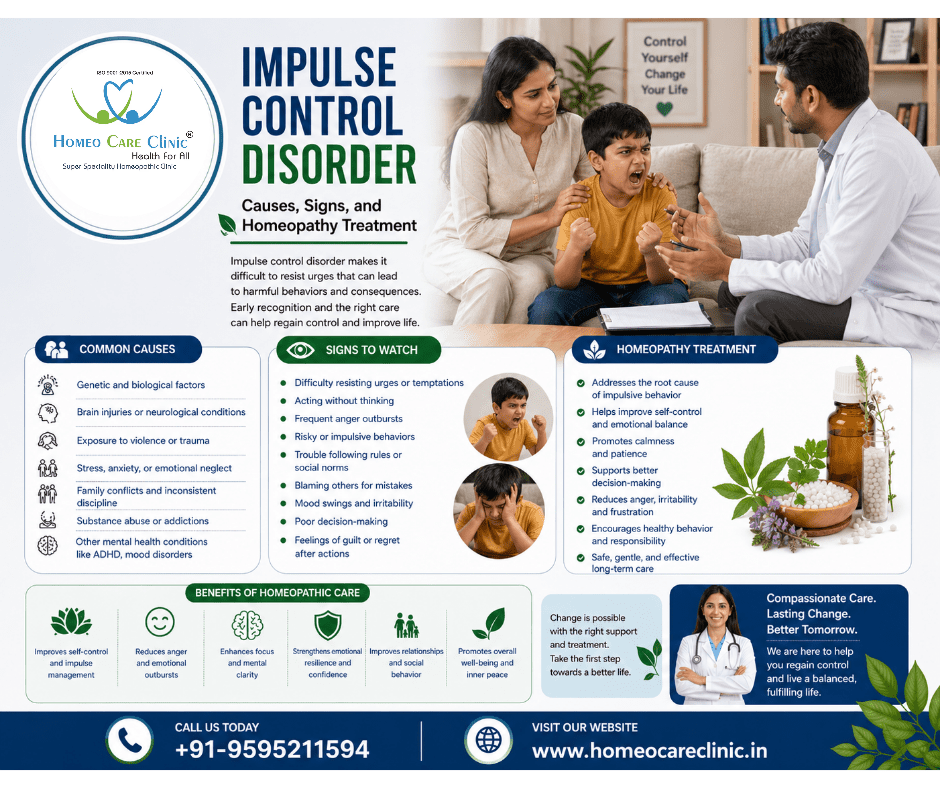
I was sitting in the clinic breakroom a few weeks ago, just trying to finish a cold cup of coffee before my next appointment, when I heard shouting from the waiting area. Not just regular upset-kid shouting. This was a guttural, terrifying scream.
I walked out to find a mom pinned against the reception desk. Her kid—maybe nine years old, tops—was throwing whatever he could get his hands on. Magazines. A tissue box. He picked up a heavy plastic chair and literally launched it at the wall. The mom just looked at me with these hollow, dark circles under her eyes. She looked like she hadn’t slept a full night since 2018.
Later, when things calmed down and the kid was sitting in the corner staring at his shoes, she asked me the question that always just breaks my heart.
“Is he just a bad kid?”
Man, that question hurts. Because nobody is just “bad.” Kids—and adults, if we’re being honest—don’t wake up in the morning and decide they want to ruin their own lives, alienate their friends, and make their parents cry. But trying to explain the reality of this stuff without sounding like a dry medical textbook is tricky. People think self-control is just a muscle you flex. You just try harder. Just be better.
But what if the nerve connecting to that muscle is completely fried?
We all buy things we shouldn’t. I bought a guitar three years ago that I still don’t know how to play. We all lose our tempers in traffic. We all eat the second slice of cake. But what is impulse control disorder, really? It’s completely different than just having a weak moment. It’s a wire crossed deep in the brain.
So let’s talk about it. Let’s just lay out what this actually looks like in real life, why the brain misfires like this, and how we actually try to fix it without just turning people into heavily medicated zombies. Grab a coffee. This is going to be a long one.
So, What is Impulse Control Disorder?
Think of it like a terrible, unbearable itch inside your brain. A mosquito bite right on your prefrontal cortex.
For you and me, an impulse is just a passing suggestion. “Hey, you should tell your boss exactly what you think of him.” And your brain immediately says, “No, that’s a terrible idea, we have a mortgage.” The impulse fades. You move on.
For someone dealing with this condition, the impulse isn’t a suggestion. It’s a command. And it comes with physical pressure. The tension builds up in their chest, their stomach, and their head until they literally feel like they are going to physically explode if they don’t do the thing. Setting a fire. Stealing a tube of chapstick from the gas station. Screaming obscenities at a stranger who bumped into them.
They do it. And for about ten seconds, they feel a massive rush of relief. The pressure valve releases.
And then? Usually, a crushing, suffocating wave of shame.
It’s a cycle. Tension, act, relief, guilt. Over and over and over again. They know it’s wrong. They hate themselves for doing it. But when the pressure builds up the next day, they have zero ability to hit the brakes.
The Main Types of Impulse Control Disorder
You can’t just put everyone who acts out in one giant box. The human brain breaks down in really specific, weird ways. Depending on which part of the reward system is glitching out, the behaviors look totally different. The main types of impulse control disorder usually look like this:
- Intermittent Explosive Disorder (IED): This is the kid throwing the chair. Or the guy who gets out of his car at a red light to punch someone’s window because they honked at him. It’s basically going from zero to a hundred in two seconds flat. The reaction is wildly, insanely out of proportion to whatever actually happened. You drop a spoon, and they react like you just burned their house down.
- Kleptomania: This one is super misunderstood. People think it’s just thievery. It’s not. These people aren’t stealing Rolexes to pawn for cash. I knew a guy with a six-figure salary who kept getting arrested for pocketing packs of gum and cheap lighters from convenience stores. It’s not about the item. Most of the time they throw the stolen stuff in a drawer and never look at it again. It’s about the rush of getting away with it. That rush is the only thing that quiets their brain.
- Pyromania: This is exactly what it sounds like. A total, overwhelming obsession with fire. They get incredibly agitated and restless, and the buildup of anxiety is only relieved by watching things burn. The smell, the heat, the destruction. It just flips a switch in their head that gives them peace. Scary stuff.
- Trichotillomania: Pulling out hair. Eyelashes, eyebrows, the hair on their arms, the hair on their scalp. It often starts when they are little as a weird soothing mechanism—like sucking a thumb—and it just mutates into this massive compulsion. They will pull until they have bald patches, hide it with hats, and feel immense shame, but their hand just automatically goes to their head whenever they get stressed.
The Causes of Impulse Control Disorder
Why does this happen? Honestly, brain chemistry is a total mess. But if you talk to neurologists, the main causes of impulse control disorder boil down to a few very specific things.
First off, dopamine. That’s the reward chemical. When you eat a great meal or finish a tough workout, your brain gives you a little squirt of dopamine to say “Good job, do that again.” For some people, their brain’s reward system is sluggish. They don’t get enough dopamine from normal life. So they seek out extreme, risky, or destructive behaviors just to feel a baseline level of satisfaction. Their brain is basically starving for stimulation.
Then there’s the prefrontal cortex. That’s the part of your brain right behind your forehead. It acts like the brakes on a car. It’s the voice of reason. In these patients, the brakes are just worn down to the metal. The emotional part of the brain slams on the gas, and the prefrontal cortex just can’t stop the car in time.
Genetics absolutely play a part too. If your dad or your grandfather had explosive anger issues or a gambling problem, there’s a pretty fair chance your brain wiring got handed down with a few similar quirks.
And we have to talk about trauma. Kids who grow up in chaotic, scary, or abusive environments often develop these issues. Why? Because their nervous system gets stuck in fight-or-flight mode permanently. When your brain constantly thinks you are in danger, it shuts down the logical prefrontal cortex and relies purely on instinct and impulse to survive. You take a kid out of that bad environment, but their brain is still operating like it’s in a warzone.
Signs of Impulse Control Disorder & Symptoms
How do you know if it’s a clinical issue and not just someone being a selfish jerk? You have to look for the pattern. The real signs of impulse control disorder usually follow that tension-release cycle I mentioned earlier.
The actual impulse control disorder symptoms look like:
- An absolute inability to stop a behavior, even when it is actively destroying their life. They will keep stealing even after they get fired. They will keep screaming even as their spouse packs a bag to leave.
- Getting visibly agitated, pacing, or even sweating right before doing the act. You can physically see the pressure building in them.
- Intrusive thoughts. The idea of doing the destructive thing plays on an endless, looping tape in their head. They can’t focus on work or conversations because the urge is screaming at them.
- Massive, debilitating regret afterward. This is the key. A sociopath doesn’t care if they hurt someone. Someone with an impulse disorder cares deeply, hates themselves for it, but just has zero ability to stop it from happening again the very next day.
Impulse Control Disorder and ADHD
This comes up constantly in pediatric care. Parents, teachers, and honestly even some doctors constantly mix up impulse control disorder and adhd.
They aren’t the same thing. But man, do they hang out in the same neighborhood.
ADHD is mostly about focus, executive dysfunction, and hyperactivity. A kid with ADHD blurts out an answer in class without raising his hand because his brain is moving too fast and he just forgot the rule. A kid with an impulse issue throws a rock through the classroom window because the internal tension inside his chest demanded a violent, destructive release.
But here’s the tricky catch. They overlap. A huge percentage of people with impulse issues also have ADHD. Think about it. The ADHD brain already lacks natural braking power. If you take an ADHD brain and then throw a severe impulse issue on top of it, the destructive urges just take over completely. It’s a really bad combo if you don’t catch it early and treat both sides of the coin.
Some Weird Facts About Impulse Control Disorder
I do a lot of reading on this, and there are some quirky facts about impulse control disorder that most people don’t usually know:
- It hits men way, way more often than women. Especially the intermittent explosive anger types and pyromania. Kleptomania and hair-pulling actually lean a bit more toward women, oddly enough.
- Like I said before, most kleptomaniacs hoard the stuff they steal in boxes or just throw it in the trash. They almost never use the stolen items. The item itself is totally irrelevant.
- It rarely shows up to the party alone. If you have an impulse disorder, it almost always brings a friend. Usually, that friend is severe clinical depression, generalized anxiety, or substance abuse. They use the alcohol or drugs to try and quiet the screaming urges in their head.
Conventional Treatment
So what happens when you take someone with this issue to a regular psychiatrist? Usually, they try to talk it out or they try to drug it out.
Cognitive Behavioral Therapy (CBT) is huge, and I actually think it’s great. A good therapist tries to teach the person to recognize that physical tension building up in their body. “Okay, my hands are sweating, my chest is tight, I’m about to lose it.” And then they teach them to do something else—anything else—before they explode. Walk away. Count to ten. Snap a rubber band on their wrist.
Then there are the meds. Antidepressants (specifically SSRIs) are handed out like candy to try and balance the serotonin levels. Sometimes psychiatrists will use heavy mood stabilizers or even anti-seizure medications to basically calm the electrical storms happening in the brain.
Do they work? For some people, yes. I won’t deny that. But for a lot of folks I see, they just cause massive weight gain, kill their sex drive, and make them feel like slow, heavy zombies. And the worst part? The minute they stop swallowing the pills, the impulses come roaring back. They didn’t fix the engine; they just disconnected the check engine light.
Homeopathy Treatment
This is where I lean in and get to work. I’m not against conventional therapy at all. Like I said, CBT is a solid tool. But instead of just suppressing the brain’s natural chemistry with heavy, synthetic drugs, homeopathy actually tries to calm the nervous system at its absolute root. We look at the whole messy picture. We look at the anger, sure. But we also look at what triggers it, how their digestion is working, how they sleep, what their dreams are like. Because everything is connected.
Here are 5 medicines we use all the time in the clinic for this kind of stuff.
1. Nux Vomica
- Indicated for: The highly ambitious, deeply irritable person who snaps easily.
- Best suited for: You know this guy. The CEO or the overworked manager. He drinks way too much coffee, works 80 hours a week, and screams at traffic. He has terrible acid reflux, sleeps terribly, and has absolute zero patience for anyone moving slower than him. If his computer freezes, he might smash the keyboard.
- Key actions: It acts like a hard reset button for an overstimulated, burnt-out nervous system. It cuts down the raw irritability and helps them actually sleep deeply, which naturally dials down those explosive anger impulses during the day.
2. Staphysagria
- Indicated for: Suppressed anger that eventually blows up into something scary.
- Best suited for: The person who is actually super sweet and takes a ton of abuse from everyone. They swallow their anger, smile, and say everything is fine. They hold it in for years. Until one day, they absolutely lose their mind and throw a television out a window or punch a hole in the drywall over something tiny.
- Key actions: It helps release the pent-up emotional pressure safely over time. It stops that insane buildup of tension in the chest so they don’t have those catastrophic, life-ruining volcanic eruptions.
3. Tarentula Hispanica
- Indicated for: Extreme physical restlessness and destructive urges.
- Best suited for: Usually kids. The kid who just cannot physically sit still to save his life. They break their toys, tear their clothes, and seem to act out of pure malice, but they literally can’t stop their bodies from moving. Interestingly, playing rhythmic music usually calms them down weirdly fast.
- Key actions: It calms the extreme hyper-reactivity of the peripheral nerves. It stops that physical, crawling itching sensation under the skin that makes them want to break things just to feel relief.
4. Anacardium Orientale
- Indicated for: The “two wills” feeling and extreme cursing.
- Best suited for: Someone who feels like they have an angel on one shoulder and a devil on the other. They know the impulse is bad. They literally hear a voice in their head telling them not to do it, but the bad impulse almost always wins. They also tend to swear really aggressively and brutally when they get triggered.
- Key actions: It bridges that terrifying cognitive gap. It helps resolve that deep internal conflict and gives the logical, “good” side of the brain more power to finally hit the brakes.
5. Hyoscyamus Niger
- Indicated for: Totally inappropriate social behavior and intense jealousy.
- Best suited for: The person who has zero social filter anymore. They might take their clothes off in public, say incredibly inappropriate sexual things to strangers, or act out violently because they are insanely jealous of a sibling or a coworker.
- Key actions: It establishes boundaries in the brain. It cools down the manic, over-sexualized, or desperate attention-seeking impulses that constantly get them into trouble with the law or their family.
Why Choose Homeo Care Clinic
Look, you don’t want to try and handle severe behavioral issues on your own by reading stuff on the internet. It destroys families. It ruins marriages. You need someone who actually listens and has been around the block a few times with this specific pathology.
Here is exactly why people end up sitting in my office with Dr. Vaseem Choudhary at Homeo Care Clinic:
- Real, Hard-Earned Experience: Dr. Vaseem Choudhary has been doing this for almost 20 years. He knows the difference between a kid just acting out because he wants an iPad and a brain that needs serious, deep constitutional help.
- We Don’t Just Drug You: We aren’t looking to sedate you or your kid. We aren’t throwing a wet blanket over the brain. We want the nervous system to actually heal itself from the inside out.
- Accessible Locations Around Pune: Dealing with this stuff means regular check-ins and follow-ups. With clinics firmly established in Viman Nagar, Hadapsar, and Magarpatta, you don’t have to drive halfway across the state in heavy traffic to get your medicine adjusted.
- Zero Judgement: You can come into the clinic, shut the door, and say “I steal things from my friends” or “My eight-year-old punches me in the face every morning,” and nobody is going to look at you funny. We’ve seen it all. We don’t judge. We just want to fix the wiring.
- Treating the Root Cause: We look at your childhood trauma, your crazy diet, your terrible sleep habits. We treat the whole person, not just the bad behavior that brought you in.
Benefits of Homeopathy
Why even try this instead of just getting a quick prescription for a mood stabilizer from a local clinic?
- No Chemical Hangovers: These remedies don’t leave you feeling foggy, sedated, or emotionally numb. You still feel completely like yourself. Just a much calmer, more grounded version.
- Actually Safe for Kids: Giving heavy psychiatric drugs to a seven-year-old is a terrifying prospect for any parent. Homeopathic nanomedicines are highly diluted and completely safe for developing brains. No weird growth stunts or hormone issues.
- No Addiction Risk: You physically cannot get addicted to a homeopathic remedy. Period. And you don’t get those awful, shaking withdrawal symptoms if you forget to take it for a few days.
- Fixes the Physical Stuff Too: Usually, when we treat the brain impulses, the person’s chronic tension headaches or irritable bowel syndrome magically disappears too. The body is all one big system. You fix the nerve tension, you fix the gut.
- Totally Individualized Care: We don’t give the exact same pill to ten different angry people. Your anger is completely different from my anger. Your medicine should match your specific symptoms.
Lifestyle Adjustments
You have to change how you live. I tell every patient this. Medicine alone won’t fix a chaotic, messy life. You have to put the work in at home.
- Burn the Physical Energy: If you have aggressive impulses, you need heavy, exhausting physical exercise. Lift heavy weights. Run sprints until you’re tired. Go punch a heavy bag. Give the brain a natural, healthy dopamine hit so it doesn’t go looking for destructive ones.
- Identify the Triggers: Keep a notebook in your pocket. Do you explode when you’re hungry? Do you steal when you feel lonely? Figure out the pattern so you can actually see the train coming before it hits you.
- Delay Tactics: This is hard, but it works. If you feel the urge to do something destructive, force yourself to wait just 15 minutes. Set a timer on your phone. Usually, the absolute peak of the tension passes if you can just wait it out.
- Ruthless Sleep Discipline: A tired brain has absolutely zero impulse control. You need 8 solid hours. Put the phone away in another room at night. Don’t look at screens in bed. Sleep is when your prefrontal cortex repairs itself.
Diet Adjustments
What you put in your stomach directly affects how your brain fires. You can’t eat garbage and expect your brain to run smoothly.
- Protein in the Morning: Skip the sugary cereal and the bagels. Eat eggs or meat for breakfast. It stabilizes your blood sugar for the whole day so you don’t get the sudden crashes that lead to extreme irritability.
- Cut the Artificial Dyes: Red Dye 40 and artificial preservatives act like literal rocket fuel for hyperactive and impulsive kids. Read the labels on everything you buy. Throw the bright blue sports drinks and neon candies right in the trash.
- Magnesium Loading: Most people are severely deficient in magnesium, and it’s the exact mineral that physically relaxes the nervous system. Start eating pumpkin seeds, tons of spinach, and almonds every single day.
- Fix Your Gut Health: Your gut makes most of your body’s serotonin. If your digestion is a mess from eating junk food all day, your mood will be a mess too. Add fermented foods like kefir or a really solid, high-quality probiotic.
5 Commonly Asked FAQs
1. Can someone just outgrow an impulse disorder naturally?
- Usually? No.
- Kids might learn to hide their urges a little better as they get older, but that internal tension doesn’t just evaporate.
- It usually just morphs into something else, like a severe gambling addiction or a hidden drinking problem, if you don’t actually treat the root cause.
2. Are people with these disorders dangerous to be around?
- Mostly, they are a danger to themselves and their own future.
- Things like kleptomania or hair-pulling only hurt the person doing it.
- Intermittent explosive disorder can definitely be scary for the people around them, but they aren’t calculating villains plotting your demise. They just have no brakes when they get mad.
3. Does punishing a kid for this stuff actually work?
- Not at all. It usually backfires spectacularly.
- Grounding a kid for a month because their brain couldn’t stop a chemical impulse just makes them deeply resentful, angry, and secretive.
- They need structure, routine, and medical treatment, not just blind punishment.
4. How long does homeopathy take to work for something this severe?
- Listen, it’s not an overnight magic trick. You didn’t get this way in a single day.
- Usually, we see the raw intensity of the outbursts start to drop within the first month of treatment.
- But deep constitutional healing takes time. You have to be patient and stick with the protocol.
5. Is a kid acting out like this a sign of bad parenting?
- I hate this myth more than anything. No.
- You can be the most patient, loving, perfect parent on earth and still have a kid whose brain chemistry leans heavily toward severe impulsivity.
- Stop blaming yourself, ignore the dirty looks at the grocery store, and just get the kid the right help.
A Few Final Thoughts…
So yeah, that’s pretty much the whole picture.
Living with Impulse Control Disorder—or trying to raise a kid who has it—is flat-out exhausting. You constantly feel like you are walking through a minefield, just waiting for the next explosion, the next broken window, or the next phone call from the principal’s office. But honestly, once you really understand what is impulse control disorder, it takes some of the personal sting out of it. You start to see the signs of impulse control disorder for what they actually are: a physical brain struggling to regulate its own chemistry, not a personal attack against you.
Understanding the different types of impulse control disorder and looking honestly at the root causes of impulse control disorder gives you a roadmap. You can stop confusing the impulse control disorder and adhd symptoms and actually treat the right thing. You can look at the raw facts about impulse control disorder and realize you aren’t the only family dealing with this nightmare behind closed doors. The impulse control disorder symptoms are treatable. You don’t have to just white-knuckle it forever, and you don’t have to rely on heavy sedatives that turn your kid into a zombie. Real, constitutional care makes a massive difference. Just take a breath, make the appointment, and let’s start untangling those crossed wires
“Your health deserves more than temporary relief. Choose homeopathy for lasting results”
Start your journey towards better focus today.
About the Author Bio:
Dr. Vaseem Choudhary M.D is a seasoned classical homeopath with over 16+ years of experience, dedicated to treating patients with compassion, precision and holistic care. Mainly in Pune & Mumbai, serving both national and international patients from UK, USA, Germany, France, Canada, Bhutan, Dubai and China. With a wide range of acute and chronic conditions—from skin disorders, hormonal issues, and digestive problems to autoimmune diseases and mental health concerns.
Dr. Vaseem is widely respected for his unique approach that combines classical homeopathy, personalized diet planning, lifestyle guidance, and a spiritual perspective on healing. He is known for his detailed and empathetic case-taking process, which focuses on treating the root cause rather than just symptoms.
In recognition of his dedication and clinical excellence, Dr. Vaseem Choudhary MD has been honored with the Best Homeopathic Doctor in Pune award by leading platforms such as:
- Awarded for International Excellence in Autism & ADHD Treatment 2026 in UK Parliament, London
- Dr. Vaseem Choudhary honoured at the UK Parliament, receiving International recognition PG from the London College of Homeopathy 2026
- Dr. Vaseem Choudhary, MD, was further acknowledged in Dubai in 2026 for his expertise in Autism and ADHD, reinforcing his growing international recognition in this field
- Best Homeopathy Doctor in Pune – National Healthcare Service Excellence Awards 2024
- Most Trusted Centre for Autism and ADHD in India 2025 – Healthcare Excellence & Leadership Awards
- Best Homeopathy Doctor in Pune – Dr. Vaseem Choudhary Shines at Ayush 2nd International Conference, Dubai
- Recognized for spearheading homeopathic treatment protocols, improving patient satisfaction, and healthcare advancements.
He is also a contributing author to the International Journal of Homeopathy and Natural Medicines (IJHNM), where he shares his research and clinical experiences with the global medical community.
With a passion to take homeopathy to new heights, Dr. Vaseem continues to guide patients towards natural, safe, and sustainable healing.
Homeo Care Clinic offers a holistic approach to treating the disease. The remedies mentioned above can treat the underlying causes of the condition and offer relief from the discomfort. However, it is important to consult a qualified homeopathic practitioner for the correct dosage and duration of treatment. Homeo Care Clinic provides comprehensive care for various ailments, and offers customized treatment plans based on individual requirements.
To schedule an appointment or learn more about our treatment, please visit our website or give us a call +91 9595211594 our best homeopathy doctor will be here to help.
Follow us on Facebook, Twitter and Instagram for valuable insights into the world of homeopathy and holistic health.
- Facebook– https://www.facebook.com/homeocareclinicpune
- Instagram– https://www.instagram.com/homeocareclinic_in
- Website– https://linktr.ee/homeocareclinic
- Success Stories of Patients –https://www.homeocareclinic.in/category/case-study/
- Patient Testimonials – https://www.homeocareclinic.in/testimonial/
Chat with a best homeopathic doctor privately:
If you have any queries regarding your disease or any symptoms, click to send a What‘s App message. Our best homeopathy doctor will be happy to answer you. About Us Click
Book an Appointment:
If you want to visit our clinic, click to book an appointment.
Online treatment:
If you are a busy professional, or you are living in a remote town or city, with no best homeopathic doctor near you, Click to start an online homeopathic treatment with the world’s exclusive, most experienced and best homeopathic clinic, managed by Dr. Vaseem Choudhary world-renowned homeopathic doctor expert
- About Us – https://www.homeocareclinic.in/about-us/
- Our Doctors –https://www.homeocareclinic.in/team/