



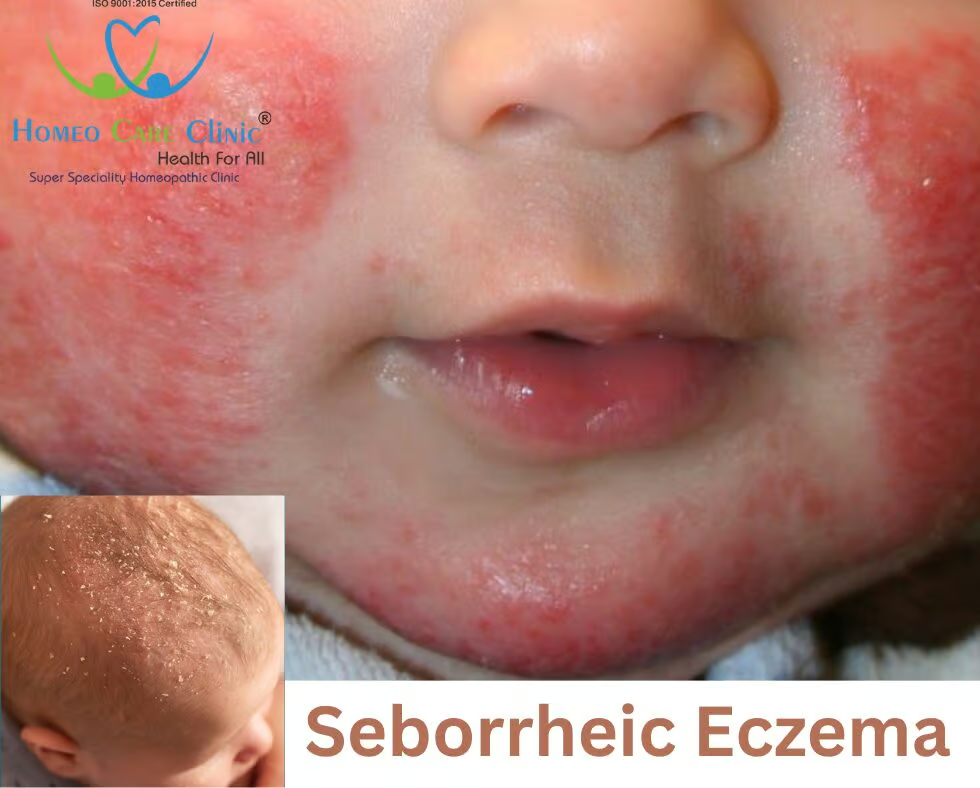
Parents’ first reaction is frequently worry when they see hard red patches, dryness, or yellowish flakes on their baby’s face or scalp. Questions start racing through the mind: Is my baby uncomfortable? Is it an allergy? Did I do something wrong? Seborrheic eczema, also referred to as Cradle Cap, is one of the most prevalent skin conditions that cause this appearance, particularly when it affects the scalp.
Infant seborrheic eczema is somewhat common, usually innocuous, and frequently transient.
The baby normally doesn’t mind, despite the fact that it could appear frightening. Although it can occasionally last longer, most parents first notice it between two weeks and three months of age.
Knowing what causes this disease, how to gently manage it, and when to seek help can help parents care for their kid with confidence and reduce stress. This blog walks you through everything you need to know, including a homeopathic approach and safe care tips.
Types of Seborrheic Eczema in Infants
Seborrheic eczema can appear in different areas and forms. It is not limited to the scalp, though that is the most recognizable site.
-
Cradle Cap (Scalp Type)
This is the most common presentation. The baby may have thick, yellowish, greasy flakes or scales on the scalp. The skin may appear rough, dry, or mildly reddish beneath the flakes.
-
Facial Seborrheic Dermatitis
This generally affects the eyebrows, forehead, eyelids, behind the ears, or around the nose. The skin may appear pinkish with flaky white or yellow scales.
-
Body Fold Seborrheic Eczema
This occurs in warm creases such as the neck folds, armpits, behind the knees, or groin areas. The skin may become moist, red, or mildly irritated
-
Widespread Seborrheic Eczema
In some babies, the condition may spread to large body areas. Though rare, it usually still resolves harmlessly.
Causes
Seborrheic eczema does not have one single cause, but a combination of factors may play a role:
🍼 1. Immature Oil Glands
Babies have active sebaceous (oil) glands due to hormones passed from the mother during pregnancy. Excess oil can trap dead skin cells and result in flakes.
🧫 2. Yeast Overgrowth
A type of harmless yeast called Malassezia lives on everyone’s skin. In some babies, it grows more actively and contributes to scaling and redness.
🧬 3. Genetic Factors
Babies with a family history of eczema, allergies, or asthma may be more prone to seborrheic eczema
🛡️ 4. Developing Immune System
Since the immune system is still adjusting after birth, the skin may react differently to natural organisms or oils.
🚼 5. Environmental Factors
Weather changes, especially cold and dry conditions, may worsen symptoms
Symptoms
Seborrheic eczema presents with characteristic signs:
Yellowish or white greasy flakes
Mild to moderate redness under the flakes
Rough or thickened skin patches
Scaling behind ears or eyebrows
Redness in skin folds
Minimal itching (most babies are not bothered)
If the baby is scratching constantly, crying on touch, or has oozing patches, a pediatric evaluation may be necessary to rule out infection or a different form of eczema.
General Treatment Approach (with side effects)
Most parents start with basic skincare or pediatric advice. Some commonly suggested general approaches are:
-
Gentle Oil Massage
Oils like coconut oil, olive oil, or mineral oil are often used to soften the scales. However, in some infants, oils may worsen yeast growth—leading to more flakes or redness.
-
Medicated Shampoos
Pediatricians may suggest shampoos with selenium sulfide, ketoconazole, or salicylic acid in them. These may assist with scaling, but using them for a long time can make your skin dry, irritated, or sensitive.
-
Antifungal Creams
Used mostly when yeast is thought to be involved. They might work immediately, but using them too much could make them less effective or cause irritation.
-
Mild Steroid Creams
Hydrocortisone is sometimes prescribed when the skin is very inflamed.
Side effects include thinning of the skin, discoloration, or dependency if used improperly.
-
Petroleum-based Soothing Ointments
These assist keep moisture in, but they can also trap heat and make oozing spots worse.
Most patients go better on their own in a few weeks to a few months. The most important thing is to find a balance between care, which includes gentle washing, moisturizing, and staying away from harsh chemicals.
Homeopathic Approach (With 5 Helpful Remedies)
Homeopathy doesn’t suppress symptoms—it supports the body’s healing response. Medicines are chosen based on the baby’s overall personality, skin appearance, and sensitivity.
Below are commonly used homeopathic medicines (selection should be individualized):
-
Graphites
Useful when:
The scalp is sticky with glue-like discharge
Crusts are thick, yellowish, and crack easily
Skin folds are involved, especially behind the ears
Baby’s skin is generally dry and sensitive
-
Calcarea Carbonica
Indicated when:
The scalp has thick, whitish scales
The baby sweats excessively on the head during sleep
Baby tends to gain weight easily and appears chubby, calm, or slow in movement
-
Sulphur
Helpful when:
The rash is reddish, itchy, or irritated
Skin appears dirty, dry, or flaky
Baby feels warm, kicks blankets, or dislikes covering
-
Natrum Muriaticum
Best suited for:
Dry white scaling, especially near eyebrows or hairline
Babies who appear reserved or sensitive
Scalp flakiness worsens after sweating or heat
-
Arsenicum Album
Helpful when:
There are red, inflamed spots.
Feeling like you need to move or burn When the baby has flare-ups, he or she seems fussy or anxious.
Note: Always talk to a certified homeopathic practitioner before taking any drugs.
Diet Chart for Lactating Mothers (since babies rely on breast milk)
Even while seborrheic eczema isn’t significantly linked to nutrition, some mothers say that being attentive of what they eat helps. A balanced diet helps your skin and immune system stay healthy.
✅ What to Eat
- Warm water, milk, or soaked almonds in the morning
- Whole grains like roti, oats, rice, and dal
- Green leafy vegetables (spinach, methi, lauki)
- Fresh fruits like banana, apple, papaya
- Protein sources – eggs, paneer, curd, sprouts
- Healthy fats – ghee, nuts, seeds
- Plenty of fluids – water, coconut water, buttermilk
❌ What to Avoid
- Junk food, fried and packaged items
- Excess tea, coffee, or cold drinks
- Very spicy and oily foods
- Alcohol and smoking
- Skipping meals or long fasting
For formula-fed babies: Use the recommended formula without changing brands frequently unless medically advised.
FAQs
- What is seborrheic eczema?
Seborrheic eczema is a long-standing skin condition marked by redness, itching, flaking, and greasy scales, commonly seen on the scalp, eyebrows, sides of the nose, ears, and chest. It often worsens with stress, weather changes, or poor immunity.
- Can homeopathy treat seborrheic eczema effectively?
Homeopathy works by addressing the internal imbalance responsible for repeated flare-ups. Instead of only treating the skin, it focuses on improving immunity, digestion, and hormonal balance, which helps reduce recurrence and severity over time.
- How long does homeopathic treatment take to show improvement?
Mild cases may show improvement within a few weeks, while chronic or long-standing cases may require a few months. The response depends on individual constitution, lifestyle, and regularity of treatment.
- Is homeopathic treatment safe for long-term use?
Yes, homeopathic medicines are gentle, non-toxic, and safe for long-term use when prescribed correctly. They do not cause skin thinning or dependency like some topical treatments.
- Can seborrheic eczema be completely cured with homeopathy?
Even though it is a long-term problem, homeopathy can help control symptoms, lower the number of flare-ups, and make skin health better overall. Many people get long-term comfort from treatment that is consistent and tailored to them.
Version:1.0 StartHTML:0000000156 EndHTML:0000091297 StartFragment:0000000469 EndFragment:0000091289
“Your health deserves more than temporary relief. Choose homeopathy for lasting results”
Start your journey towards better focus today.
About the Author Bio:
Dr. Vaseem Choudhary M.D is a seasoned classical homeopath with over 16+ years of experience, dedicated to treating patients with compassion, precision and holistic care. Mainly in Pune & Mumbai, serving both national and international patients from UK, USA, Germany, France, Canada, Bhutan, Dubai and China. With a wide range of acute and chronic conditions—from skin disorders, hormonal issues, and digestive problems to autoimmune diseases and mental health concerns.
Dr. Vaseem is widely respected for his unique approach that combines classical homeopathy, personalized diet planning, lifestyle guidance, and a spiritual perspective on healing. He is known for his detailed and empathetic case-taking process, which focuses on treating the root cause rather than just symptoms.
In recognition of his dedication and clinical excellence, Dr. Vaseem Choudhary MD has been honored with the Best Homeopathic Doctor in Pune award by leading platforms such as:
Best Homeopathy Doctor in Pune – National Healthcare Service Excellence Awards 2024
Most Trusted Centre for Autism and ADHD in India 2025 – Healthcare Excellence & Leadership Awards
Best Homeopathy Doctor in Pune – Dr. Vaseem Choudhary Shines at Ayush 2nd International Conference, Dubai
Recognized for spearheading homeopathic treatment protocols, improving patient satisfaction, and healthcare advancements.
He is also a contributing author to the International Journal of Homeopathy and Natural Medicines (IJHNM), where he shares his research and clinical experiences with the global medical community.
With a passion to take homeopathy to new heights, Dr. Vaseem continues to guide patients towards natural, safe, and sustainable healing.
Homeo Care Clinic offers a holistic approach to treating the disease. The remedies mentioned above can treat the underlying causes of the condition and offer relief from the discomfort. However, it is important to consult a qualified homeopathic practitioner for the correct dosage and duration of treatment. Homeo Care Clinic provides comprehensive care for various ailments, and offers customized treatment plans based on individual requirements.
To schedule an appointment or learn more about our treatment, please visit our website or give us a call +91 9595211594 our best homeopathy doctor will be here to help.
Follow us on Facebook, Twitter and Instagram for valuable insights into the world of homeopathy and holistic health.
Facebook– https://www.facebook.com/homeocareclinicpune
Instagram– https://www.instagram.com/homeocareclinic_in
Website– https://linktr.ee/homeocareclinic
Success Stories of Patients –https://www.homeocareclinic.in/category/case-study/
Patient Testimonials – https://www.homeocareclinic.in/testimonial/
Chat with a best homeopathic doctor privately:
If you have any queries regarding your disease or any symptoms, click to send a What‘s App message. Our best homeopathy doctor will be happy to answer you. About Us Click
Book an Appointment:
If you want to visit our clinic, click to book an appointment.
Online treatment:
If you are a busy professional, or you are living in a remote town or city, with no best homeopathic doctor near you, Click to start an online homeopathic treatment with the world’s exclusive, most experienced and best homeopathic clinic, managed by Dr. Vaseem Choudhary world-renowned homeopathic doctor expert
About Us – https://www.homeocareclinic.in/about-us/
Our Doctors –https://www.homeocareclinic.in/team/