


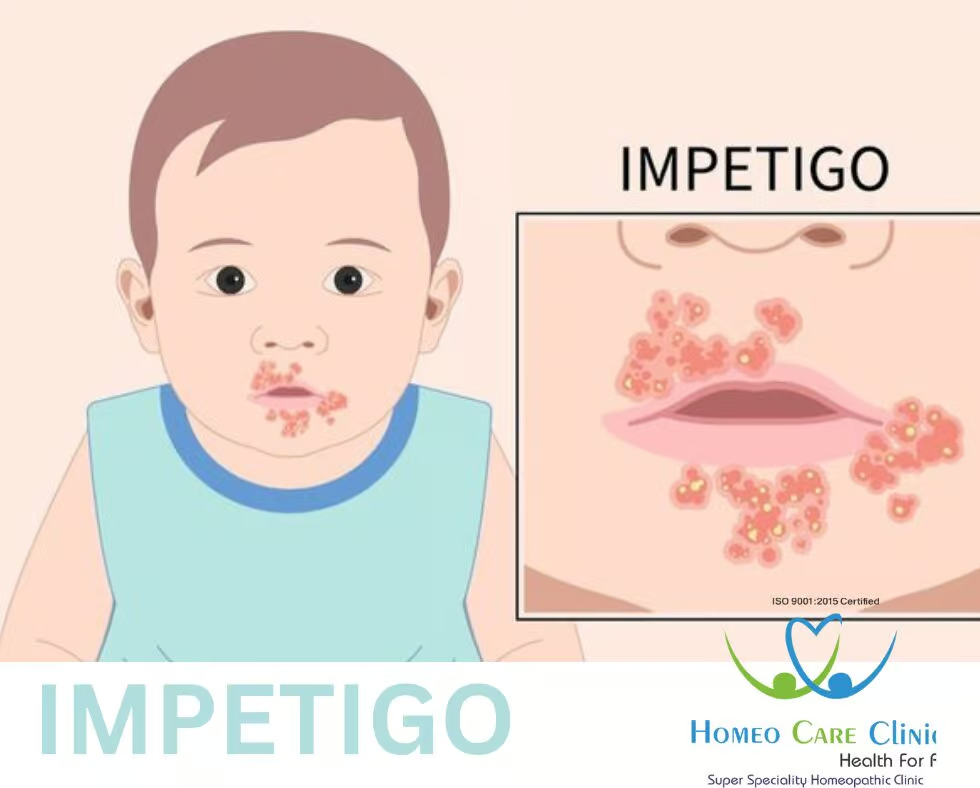
Impetigo is a highly common skin infection in kids, especially in hot and humid locations. When parents bring their kids to the clinic, they often ask the doctor, “What is impetigo?” or “Is impetigo bad for you?”
The good news is that impetigo isn’t usually dangerous, but it spreads quickly if you don’t treat it soon.
Impetigo is a bacterial skin infection that primarily affects babies and young children, although adults can get it too if they are in the correct places. It usually starts out as small red spots that get bigger and eventually pop, leaving behind crusts that are gold or honey-colored. You can usually see these sores on the lips, nose, and sometimes on the hands or legs.
Impetigo is a skin illness that is mainly caused by Staphylococcus aureus or Streptococcus pyogenes, which are both types of bacteria. Kids are often touching their faces, scratching insect bites, or playing near with other kids, which makes it simple for the virus to transmit from one child to another.
Parents can act quickly and stop problems or repeated infections if they know what impetigo is, what causes it, what the symptoms are, and what treatments are available.
Types of Impetigo
Parents can act quickly and avoid problems or repeated infections if they know what impetigo is, what causes it, what its symptoms are, and what treatments are available.
-
Non-Bullous Impetigo
This is the most common type and is what most cases look like.
It usually begins as:
Little red dots around the mouth or nose These areas quickly become little blisters. The blisters pop and leave behind thick, yellowish or honey-colored crusts.
Kids often scratch these regions, which spreads the illness to other parts of the body. Non-bullous impetigo is very contagious and spreads easily in schools and daycare centers.
-
Bullous Impetigo
Bullous impetigo is caused by toxin producing strains of Staphylococcus aureus.
Key features include:
Large, fluid-filled blisters.
Skin around the blisters looks red and inflamed.
Blisters break easily, leaving raw skin
More common in infants and young children because of the fluid-filled blisters, bullous impetigo treatment often requires closer medical supervision.
-
Ecthyma (Deep Impetigo)
This is a more serious and deeper type of impetigo. Lesions go deeper into the skin. Ulcers occur behind thick crusts. Scars may form after healing. More likely to happen to persons who don’t take care of themselves, don’t eat enough, or have weak immune systems.
What Causes Impetigo
Many parents ask, “Impetigo is caused by what?”
The answer is simple: bacteria.
The most common causes are:
Staphylococcus aureus ,Streptococcus pyogenes.
These germs get into the skin through:
Little cuts or scrapes Bites from bugs
Itching that makes you scratch
Eczema and other skin problems
Other things that raise the risk are: Weather that is hot and humid Bad
Cleanliness Living in close quarters
Giving away toys, towels, or clothes
Weakened immune system
Kids typically get impetigo after having a cold or a runny nose because they keep cleaning their noses, which irritates the skin around them.
Symptoms of Impetigo
The impetigo symptoms may vary depending on the type, but commonly include:
Red sores that appear suddenly Yellow or golden crust formation.
Mild itching or irritation
Blisters in bullous impetigo.
Swollen lymph nodes in some cases
Mild fever in advanced cases
In most children, the infection is not painful, but scratching can make it worse and spread it further.
General Medical Approach and Side Effects
Standard Treatment, The conventional treatment for impetigo includes:
For mild instances, topical antibiotic creams are best.
Antibiotics taken by mouth when the infection is widespread.
Cleaning the afflicted areas gently, keeping nails short so they don’t scratch
Putting towels and clothes in separate areas
Most of the time, doctors tell kids to stay home until the virus stops spreading.
Possible Side Effects of Conventional Treatment
Antibiotics act quickly, however they can also do the following:
Burning or inflammation of the skin
People who are sensitive may have allergic reactions.
Upset stomach
Repeated illnesses because antibiotics don’t work Because of these things, a lot of parents look for other ways to help their children than medical care.
Homeopathy Approach with 5 Medicines
Homeopathy focuses on strengthening the body’s natural healing process rather than just killing bacteria. Remedies are selected based on the type of discharge, skin appearance, and overall constitution of the child.
-
Graphites
Graphites is one of the most commonly used remedies in impetigo cases.
Indicated when: Thick, sticky, honey-like discharge is present.
Skin cracks easily and oozes, Healing is slow.
Infections tend to recur.
It is especially useful in children with sensitive skin.
-
Antimonium Crudum
Helpful when:
Thick yellow crusts form around the mouth or nose.
Skin looks inflamed and tender.
The child becomes irritable and dislikes being touched. This remedy works well when the infection worsens after eating or during hot weather.
-
Mezereum
Mezereum is chosen when:
Thick scabs form with pus underneath
Intense itching is present
Burning sensation occurs after scratching
Pain increases at night
-
Hepar Sulphuris
This remedy is helpful when:
Lesions are painful and sensitive.Pus formation is prominent.
The child feels chilly and irritable. Infections tend to worsen quickly
-
Sulphur
Sulphur is often indicated when:
Impetigo keeps recurring. Skin looks unhealthy or dirty .
Burning and itching worsen with heat.
Children dislike bathing. It is commonly used as a constitutional remedy to improve long-term immunity.
Diet Chart for Impetigo
Diet plays an important role in recovery and prevention.
Recommended Foods
Fresh fruits like apple, pear, pomegranate
Green leafy vegetables.
Whole grains and pulses.
Homemade soups.
Plenty of water and coconut water.
Foods to Avoid
Fried and oily foods.
Excess sugar and chocolates.
Bakery items and junk food.
Packaged and processed snacks.
A clean, balanced diet supports skin healing and boosts immunity naturally.
FAQs
- What is impetigo disease?
Impetigo is a contagious bacterial skin infection that mainly affects children and causes red sores and yellow crusts.
- Is impetigo contagious?
Yes, impetigo spreads easily through direct contact or by sharing towels, clothes, or toys.
- What is the best impetigo medicine?
Treatment depends on severity. Antibiotics are used conventionally, while homeopathic remedies are chosen based on individual symptoms.
- Can impetigo heal without treatment?
Mild cases may improve, but treatment is advised to prevent spread and complications.
- What is bullous impetigo?
Bullous impetigo is a type of impetigo where large fluid-filled blisters appear, mainly in infants and young children.
Version:1.0 StartHTML:0000000156 EndHTML:0000050227 StartFragment:0000000469 EndFragment:0000050219
“Your health deserves more than temporary relief. Choose homeopathy for lasting results”
Start your journey towards better focus today.
About the Author Bio:
Dr. Vaseem Choudhary M.D is a seasoned classical homeopath with over 16+ years of experience, dedicated to treating patients with compassion, precision and holistic care. Mainly in Pune & Mumbai, serving both national and international patients from UK, USA, Germany, France, Canada, Bhutan, Dubai and China. With a wide range of acute and chronic conditions—from skin disorders, hormonal issues, and digestive problems to autoimmune diseases and mental health concerns.
Dr. Vaseem is widely respected for his unique approach that combines classical homeopathy, personalized diet planning, lifestyle guidance, and a spiritual perspective on healing. He is known for his detailed and empathetic case-taking process, which focuses on treating the root cause rather than just symptoms.
In recognition of his dedication and clinical excellence, Dr. Vaseem Choudhary MD has been honored with the Best Homeopathic Doctor in Pune award by leading platforms such as:
Best Homeopathy Doctor in Pune – National Healthcare Service Excellence Awards 2024
Most Trusted Centre for Autism and ADHD in India 2025 – Healthcare Excellence & Leadership Awards
Best Homeopathy Doctor in Pune – Dr. Vaseem Choudhary Shines at Ayush 2nd International Conference, Dubai
Recognized for spearheading homeopathic treatment protocols, improving patient satisfaction, and healthcare advancements.
He is also a contributing author to the International Journal of Homeopathy and Natural Medicines (IJHNM), where he shares his research and clinical experiences with the global medical community.
With a passion to take homeopathy to new heights, Dr. Vaseem continues to guide patients towards natural, safe, and sustainable healing.
Homeo Care Clinic offers a holistic approach to treating the disease. The remedies mentioned above can treat the underlying causes of the condition and offer relief from the discomfort. However, it is important to consult a qualified homeopathic practitioner for the correct dosage and duration of treatment. Homeo Care Clinic provides