

Introduction:
DRUG INDUCED SKIN RASHES are the reactions that occur due to medicinal side effects. A drug-induced skin rash appears when the skin reacts abnormally to a particular medicine. The drug induced skin rash may occur immediately after taking the drug or may appear days to weeks later. Recognizing such reactions early is very important to prevent complications.
Types of Drug-Induced Rashes
Drug-induced skin rashes are unwanted skin reactions caused by medications.They can vary in appearance, severity, and timing.The main types include:
-
Morbilliform (Maculopapular) Rash
Appears as red, flat, or slightly raised spots that may join together.
Appears 7–14 days after starting a new drug.
-
Urticaria (Hives)
Sudden onset of itchy, raised wheals or swellings.
Usually due to allergic (IgE-mediated) reactions.
-
Fixed Drug Eruption
Round or oval red patch that recurs in the same spot each time the drug is taken
May blister and leave dark pigmentation after healing.
-
Stevens–Johnson Syndrome (SJS) / Toxic Epidermal Necrolysis (TEN)
Severe, life-threatening reactions
Painful red or purplish rash with blistering and peeling of skin.
Involves mucous membranes (eyes, mouth, genitals).
-
Photosensitivity Reactions
Rash develops on sun-exposed areas after drug intake and sunlight exposure
May be phototoxic or photoallergic.
-
Drug-Induced Vasculitis
Inflammation of small blood vessels in the skin.
Appears as palpable purpura (red or purple raised spots).
involve internal organ.
-
Erythema Multiforme
Target-shaped (bull’s-eye) lesions on hands, feet, and mucous membranes.
-
Lichenoid Drug Eruption
Resembles lichen planus (flat, purple, itchy papules).
Appears weeks to months after drug exposure.
-
Exfoliative Dermatitis
redness, scaling, and peeling of skin associated with fever and malaise.
Causes of Drug-Induced Rashes
Most commonly cause of drug induced skin rashes are due to medicinal side effects.
Example:
Antibiotics – like penicillin, sulfa drugs, and cephalosporins.
Anticonvulsants – such as phenytoin, carbamazepine.
Non-steroidal anti-inflammatory drugs (NSAIDs) – like ibuprofen and naproxen
Chemotherapy drugs.
Symptoms of Drug-Induced Rashes
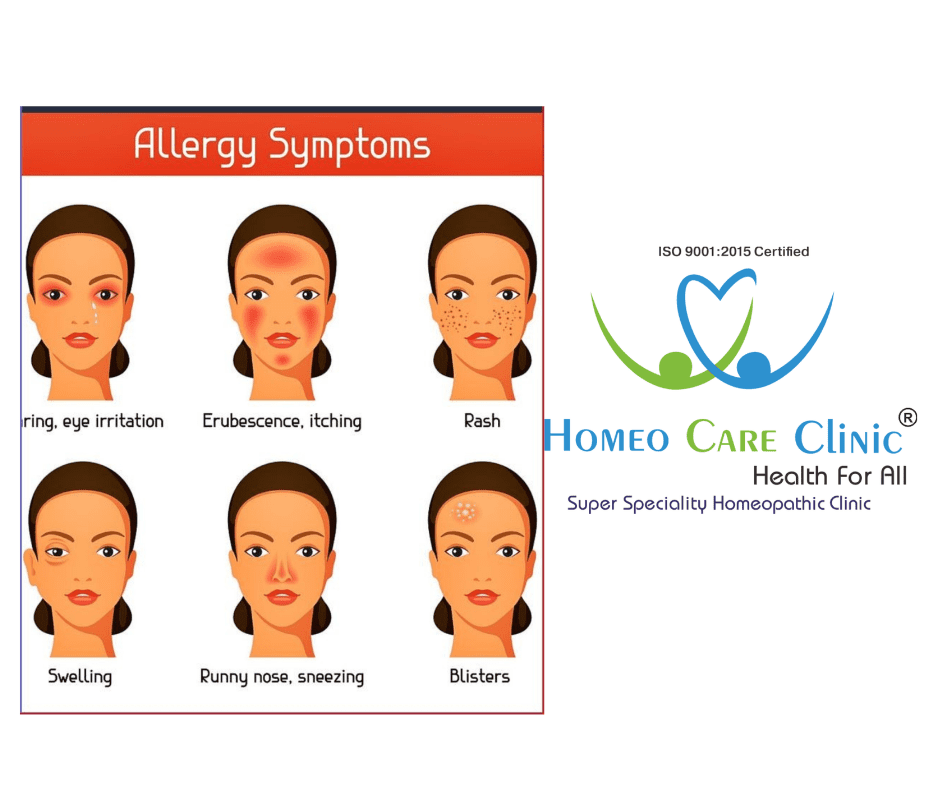
1) Red or pink patches on the skin.
2) Itching or burning sensation.
3) Small bumps or blisters.
4) Swelling of skin or lips.
5) Peeling of the skin in severe cases.
6) Fever, tiredness, or joint pain in some cases.
If the rash is spreading or associated with swelling, blisters, or breathing difficulty, immediate medical attention is needed.
General Approach and Side Effects of Drug-Induced Skin Rashes.
General Approach
- Identify the Causative Drug.
- The first step is to find out which medicine has caused the rash.
- Go through all the drugs taken in the past few days or weeks, including prescription.
- The timing of the rash in relation to the start of a medicine gives a strong clue.
- A detailed medical history helps rule out other causes like infections or food allergies.
- Stop the Suspected Drug.
- Once a particular drug is suspected, it should be discontinued immediately under medical guidance.
- In severe cases, stopping the drug early can prevent serious complications.
- Monitor for Severe Reactions.
- Certain rashes can become serious.
- Seek immediate medical care if there are:
Blisters or peeling of the skin.
Sores in the mouth or eyes.
High fever or body pain.
Swelling of the lips, tongue, or face
Difficulty breathing.
These signs need emergency treatment, often in a hospital.
- Avoid Re-exposure
- Once a drug has caused a rash, it should be avoided permanently.
- Inform your doctor about the allergy.
- Keep a list of the medicines that caused the reaction.
- Wear a medical alert tag if you have a history of severe reactions.
Side Effects and Complications
While many drug-induced rashes are mild, some may lead to:
- Skin pigmentation changes after healing.
- Infection due to scratching or blistering.
- Scarring in severe cases.
- Emotional distress due to cosmetic effects.
Homoeopathic Approach to Drug-Induced Rashes
In most cases, the rash disappears once the medicine is stopped, but in some people, it may persist or become troublesome.
Homoeopathy offers a gentle and holistic way of managing such conditions by stimulating the body’s natural healing power without causing further side effects.
Homoeopathic View:
In homoeopathy, the focus is not just on the rash but on the individual as a whole. Every person reacts differently to medicines and allergies. The homeopathic approach is based on individualization, considering the patient’s physical symptoms, mental state, and reaction to illness.
The aim is to remove the root cause of hypersensitivity and help the skin and immune system regain balance.
Five Common Homoeopathic Medicines for Drug-Induced Rashes
-
Sulphur
One of the most important remedies for all types of skin eruptions.
- The skin is red, itchy, and burning, especially worse from heat or scratching.
- The person may feel worse from bathing or in warm rooms.
-
Apis Mellifica
Useful when the rash is accompanied by redness, swelling, and burning stinging pain.
- The skin looks shiny and swollen, much like the effect of a bee sting.
- Suitable for allergic rashes and drug-induced urticaria (hives).
-
Rhus Toxicodendron
Indicated for itchy, blister-like rashes that burn and ooze fluid.
- Helpful when the rash appears after taking medicines or exposure to chemicals.
- The itching is often worse at night.
-
Arsenicum Album
For burning, dry, scaly eruptions with restlessness and anxiety.
- Useful when drug-induced eruptions are accompanied by weakness, burning, and fear of illness.
- The skin may look dry, rough, and irritated.
-
Natrum Muriaticum
Suitable for rashes that follow long-term drug use or suppression of previous skin diseases.
- The skin becomes dry, with itching that worsens in the sun or from emotional stress.
Diet chart For Drug-Induced Rashes
Main Purpose:
To reduce inflammation, support liver detoxification, and promote skin healing naturally.
Morning
- On waking: A glass of lukewarm water with lemon juice.
- Or Some detoxification drink on an empty stomach.
Breakfast:
- One fresh seasonal fruit like apple, papaya, or pomegranate.
- Green tea or herbal tea (avoid milk tea or coffee).
Mid-Morning
- Fresh coconut water or fruit juice without sugar.
- A handful of soaked almonds or walnuts.
Lunch
- Steamed rice or whole-wheat roti.
- Moong dal or masoor dal (light lentils).
Steamed vegetables such as bottle gourd, spinach, carrot, or beetroot.
- Fresh salad with cucumber, carrot, beetroot, and lemon.
- A small cup of curd if tolerated.
Evening
- Green tea or turmeric milk.
- Roasted chana or a small bowl of fruits.
Dinner
- Vegetable soup or light khichdi.
- Steamed vegetables or dal with rice.
- Avoid heavy, fried, or spicy food at night.
Before Bed
- A cup of warm water with a pinch of turmeric or chamomile tea.
Foods to Avoid
- Fried, oily, or spicy foods.
- Processed and packaged snacks.
- Excess sugar and soft drinks.
- Alcohol, caffeine, and red meat.
- Artificial colors and preservatives.
Frequently Asked Questions (FAQ) on Drug-Induced Skin Rashes.
- Can homoeopathy help for drug induced rashes treatment.
Yes! Homeopathy focuses on detoxification, soothing inflammation, and balancing the immune system to relieve symptoms and prevent recurrence.
- When do rashes appear after taking medicine?
Rashes can appear within a few hours to several days after starting a medicine. In some cases, the reaction may occur even after stopping the medicine.
- What should be done if a skin rash appears after taking a medicine?
- Stop taking the suspected medicine (after consulting a doctor).
- Inform your doctor immediately.
- Avoid self-medication.
- Are drug-induced rashes serious?
Most are mild and disappear once the medicine is stopped.
However, some rashes can be severe and require urgent medical care, especially if there is blistering, fever, or difficulty breathing.
- How long does it take for the rash to heal?
Usually, mild rashes heal within a few days to two weeks after stopping the drug. Severe reactions may take longer and need medical supervision.
“Your health deserves more than temporary relief. Choose homeopathy for lasting results”
Start your journey towards better focus today.
About the Author Bio:
Dr. Vaseem Choudhary M.D is a seasoned classical homeopath with over 16+ years of experience, dedicated to treating patients with compassion, precision and holistic care. Mainly in Pune & Mumbai, serving both national and international patients from UK, USA, Germany, France, Canada, Bhutan, Dubai and China. With a wide range of acute and chronic conditions—from skin disorders, hormonal issues, and digestive problems to autoimmune diseases and mental health concerns.
Dr. Vaseem is widely respected for his unique approach that combines classical homeopathy, personalized diet planning, lifestyle guidance, and a spiritual perspective on healing. He is known for his detailed and empathetic case-taking process, which focuses on treating the root cause rather than just symptoms.
In recognition of his dedication and clinical excellence, Dr. Vaseem Choudhary MD has been honored with the Best Homeopathic Doctor in Pune award by leading platforms such as:
- Best Homeopathy Doctor in Pune – National Healthcare Service Excellence Awards 2024
- Most Trusted Centre for Autism and ADHD in India 2025 – Healthcare Excellence & Leadership Awards
- Best Homeopathy Doctor in Pune – Dr. Vaseem Choudhary Shines at Ayush 2nd International Conference, Dubai
- Recognized for spearheading homeopathic treatment protocols, improving patient satisfaction, and healthcare advancements.
He is also a contributing author to the International Journal of Homeopathy and Natural Medicines (IJHNM), where he shares his research and clinical experiences with the global medical community.
With a passion to take homeopathy to new heights, Dr. Vaseem continues to guide patients towards natural, safe, and sustainable healing.
Homeo Care Clinic offers a holistic approach to treating the disease. The remedies mentioned above can treat the underlying causes of the condition and offer relief from the discomfort. However, it is important to consult a qualified homeopathic practitioner for the correct dosage and duration of treatment. Homeo Care Clinic provides comprehensive care for various ailments, and offers customized treatment plans based on individual requirements.
To schedule an appointment or learn more about our treatment, please visit our website or give us a call +91 9595211594 our best homeopathy doctor will be here to help.
Follow us on Facebook, Twitter and Instagram for valuable insights into the world of homeopathy and holistic health.
- Facebook– https://www.facebook.com/homeocareclinicpune
- Instagram– https://www.instagram.com/homeocareclinic_in
- Website– https://linktr.ee/homeocareclinic
- Success Stories of Patients –https://www.homeocareclinic.in/category/case-study/
- Patient Testimonials – https://www.homeocareclinic.in/testimonial/
Chat with a best homeopathic doctor privately:
If you have any queries regarding your disease or any symptoms, click to send a What‘s App message. Our best homeopathy doctor will be happy to answer you. About Us Click
Book an Appointment:
If you want to visit our clinic, click to book an appointment.
Online treatment:
If you are a busy professional, or you are living in a remote town or city, with no best homeopathic doctor near you, Click to start an online homeopathic treatment with the world’s exclusive, most experienced and best homeopathic clinic, managed by Dr. Vaseem Choudhary world-renowned homeopathic doctor expert
- About Us – https://www.homeocareclinic.in/about-us/
- Our Doctors –https://www.homeocareclinic.in/team/