
| MEDICAL DISCLAIMER This content is for educational and informational purposes only and is NOT a substitute for professional medical advice, diagnosis, or treatment. Always consult Dr. Vaseem Choudhary or a qualified homeopathic practitioner before starting any treatment. Do NOT self-medicate. In case of emergency, contact your nearest hospital immediately. |
Skin Pigmentation – A Dermatologist’s Clinical Perspective
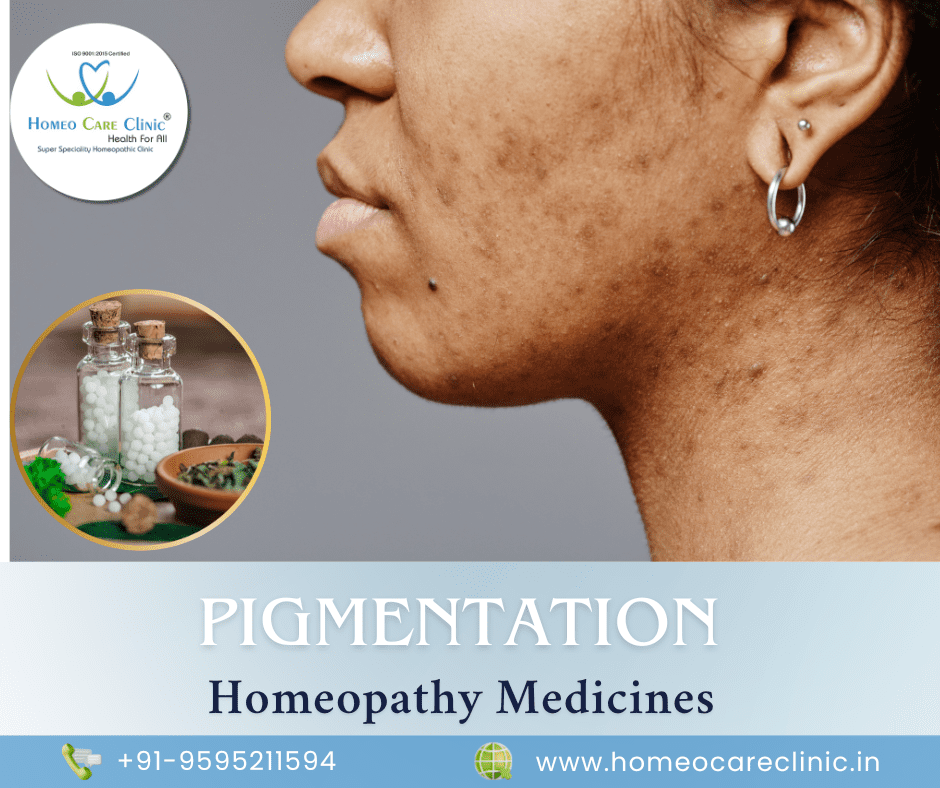
Skin pigmentation – the appearance of darker patches, spots, or uneven skin tone – is one of the most common dermatological concerns treated at Homeo Care Clinic. As a qualified homeopathic dermatologist and trichologist with over 16 years of specialized clinical experience, Dr. Vaseem Choudhary has treated thousands of pigmentation cases across a wide spectrum – from simple sun-induced freckles to complex melasma that had failed to respond to multiple conventional treatments.
What distinguishes homeopathic treatment for pigmentation from conventional approaches is the depth of investigation and individualization. A bleaching cream addresses the surface. Homeopathy asks: why is this patient producing excess melanin in this particular pattern? Is it hormonal, nutritional, genetic, stress-related, or from organ dysfunction? Answering that question – and selecting the remedy that matches the complete individual picture – is what produces lasting results rather than temporary lightening.
In clinical practice, Dr. Vaseem has observed that the same visible pigmentation (a dark patch on the cheek, for example) can require entirely different homeopathic medicines in different patients based on their constitutional type, the triggers, and accompanying symptoms. This is the essence of the homeopathic approach.
Understanding Skin Pigmentation – Types and Mechanisms
Skin pigmentation is determined by melanin – a pigment produced by specialized cells called melanocytes in the skin’s epidermis. When melanocytes become overactive in specific areas, excess melanin deposits and forms dark patches.
Types of Pigmentation Seen at Homeo Care Clinic
- Melasma: symmetrical brown or grey-brown patches typically on cheeks, forehead, upper lip, and bridge of nose. Most common in women. Strongly linked to hormonal changes (pregnancy, oral contraceptives, PCOS) and sun exposure.
- Post-inflammatory hyperpigmentation (PIH): dark marks left behind after acne, eczema, injury, or any skin inflammation. Very common in Indian skin types (Fitzpatrick III-VI) which are more prone to PIH.
- Sunspots (solar lentigines): flat, brown spots on sun-exposed areas – face, hands, shoulders, arms. Result of cumulative UV exposure over years.
- Freckles (ephelides): small, flat brown spots scattered across the nose and cheeks. Genetic predisposition, worsened by sun exposure.
- Periorbital hyperpigmentation: dark circles under the eyes – can be vascular, pigmentary, or structural in origin.
- Peri-oral pigmentation: darkening around the mouth – often hormonal, nutritional (B12/iron deficiency), or from excessive use of toothpastes with fluoride.
Common Causes of Skin Pigmentation
Accurate identification of the cause guides homeopathic medicine selection:
- Sun exposure (UV radiation): the most universal trigger – stimulates melanocytes to produce more melanin as a protective response
- Hormonal changes: pregnancy (melasma gravidarum), PCOS, thyroid dysfunction, oral contraceptives – all alter melanin production through hormonal influence on melanocytes
- Post-inflammatory causes: any skin inflammation – acne, eczema, injury, chemical irritation – triggers melanocyte overactivity in the healing phase
- Nutritional deficiencies: Vitamin B12, iron, folic acid, and Vitamin D deficiencies are associated with various forms of hyperpigmentation
- Genetic predisposition: family history of freckles, melasma, or hyperpigmentation increases individual risk
- Medication-induced: certain antibiotics, anti-seizure drugs, chemotherapy, and hormonal medications can cause drug-induced pigmentation
- Liver dysfunction: impaired liver detoxification can manifest as skin darkening and pigmentation
- Stress and poor sleep: chronic stress increases cortisol and inflammatory mediators that stimulate melanin production
6 Best Homeopathic Medicines for Pigmentation – Dr. Vaseem’s Clinical Guide
The following remedies represent the most frequently prescribed medicines for pigmentation at Homeo Care Clinic. Prescription is always individualized – the remedy is selected based on the complete symptom picture, type of pigmentation, triggers, patient constitution, and accompanying symptoms.
1. Sepia – For Hormonal Pigmentation and Melasma
Sepia is Dr. Vaseem Choudhary’s most frequently prescribed remedy for melasma and hormonal pigmentation. It is derived from the ink of the cuttlefish and has a profound action on the female hormonal system and skin.
Key features indicating Sepia: Brown or yellowish saddle-shaped patches across the nose and cheeks (the classic melasma distribution). Pigmentation appearing or worsening during pregnancy, after childbirth, at menopause, or while on oral contraceptives. The Sepia patient often feels emotionally flat, indifferent, and weary – the emotional picture is as important as the skin picture. Irregular menstrual cycle or hormonal imbalance accompanying the pigmentation. Yellowy tinge to the face overall. Skin worse from sun exposure.
In clinical practice at Homeo Care Clinic, Sepia has produced remarkable results in post-pregnancy melasma cases – patients who developed pigmentation during or after pregnancy that persisted for years despite topical treatments.
2. Sulphur – For Pigmentation with Dull, Rough, Unhealthy Skin
Sulphur is a deep-acting constitutional remedy for patients whose skin looks generally unhealthy, dirty, or rough regardless of how much they care for it. It is particularly effective for post-inflammatory hyperpigmentation following acne or eczema.
Key features indicating Sulphur: Dull, lifeless-looking skin with uneven pigmentation. Dark spots or marks left behind after every acne pimple (common in Sulphur patients who are prone to recurrent acne). Skin tends to be dry, rough, and itchy. Worse from heat and washing. The patient tends to feel warm and may have strong body odor. Often the first remedy to consider when acne has left widespread PIH.
3. Thuja Occidentalis – For Freckles, Sunspots, and Oily Skin Pigmentation
Thuja is a strongly indicated remedy for freckles, brown spots, and pigmentation associated with oily skin and enlarged pores. It is derived from the White Cedar tree and has a specific affinity for the skin.
Key features indicating Thuja: Freckles and brown spots concentrated in sun-exposed areas. Pigmentation associated with oily, greasy skin and enlarged pores. Brown or greenish-brown discoloration. Spots that worsen after sun exposure. Patient may have a tendency to moles, warts, or other skin growths. In clinical practice, Thuja is often indicated in younger patients whose pigmentation is driven by acne-related oiliness and sun exposure together.
4. Natrum Muriaticum – For Sun-Induced and Grief-Related Pigmentation
Natrum Muriaticum is one of the most prescribed constitutional remedies in homeopathy, derived from common salt (sodium chloride). For pigmentation, it is particularly indicated when there is a strong history of sun exposure, when the skin is greasy, and when the patient has a tendency to suppress emotions – especially grief.
Key features indicating Natrum Muriaticum: Pigmentation strongly worsened by sun exposure. Skin tends to be alternately oily and dry. Dark spots on cheeks with a greasy appearance. Hair fall accompanying the pigmentation (both common in the Natrum Mur constitution). History of emotional suppression, grief, or long-standing sadness. In clinical observation, patients who developed melasma following a deeply upsetting emotional event often respond well to Natrum Muriaticum when the emotional picture matches.
5. Kali Carbonicum – For Pigmentation with Hormonal or Digestive Imbalance
Kali Carbonicum is a deep constitutional remedy that addresses pigmentation associated with hormonal changes, weak digestion, and general metabolic sluggishness. It is less commonly prescribed than Sepia or Sulphur but highly effective when indicated.
Key features indicating Kali Carbonicum: Yellowish or brownish skin tone with uneven pigmentation. Patient tends to feel cold, tired, and sluggish. Digestion is weak – bloating, slow bowel movements. Back pain or weakness in the lower back. Pigmentation that seems connected to hormonal or metabolic imbalance rather than just sun exposure. This remedy is often considered in patients where pigmentation appears to have worsened since hormonal changes (thyroid issues, adrenal stress).
6. Cadmium Sulphuratum – For Stubborn, Treatment-Resistant Pigmentation
Cadmium Sulphuratum is a less commonly used but highly valuable remedy for deep, stubborn pigmentation that has not responded to other treatments. It is indicated for brownish or yellowish discoloration that is persistent and widespread.
Key features indicating Cadmium Sulphuratum: Persistent brown or yellowish pigmentation unresponsive to topical treatments or other homeopathic remedies. Deep, fixed discoloration – particularly on the face and hands. Often follows a prolonged illness or toxic exposure. General debility and reduced vitality. In Dr. Vaseem Choudhary’s practice, this remedy is considered in cases that have seen multiple doctors and tried multiple treatments without sustained results – where a deeper constitutional approach is needed.
Homeopathy vs Conventional Pigmentation Treatments
| Treatment Approach | Conventional (Creams/Peels/Laser) | Homeopathic Treatment |
| Mechanism | Suppress or destroy melanin in the skin | Address why excess melanin is being produced |
| Duration of results | Temporary – pigmentation often returns when stopped | Long-lasting when root cause is addressed |
| Side effects | Skin irritation, rebound hyperpigmentation risk, sun sensitivity | Minimal to none with correctly prescribed treatment |
| Hormonal factors | Not addressed | Central to case-taking and remedy selection |
| Emotional factors | Not considered | Actively assessed as potential triggers |
| Skin health overall | May compromise skin barrier with harsh chemicals | Improves overall skin quality and vitality |
Real Case Study: Melasma Treatment at Homeo Care Clinic
Patient: Mrs. Pooja M., 33 years, Pune. Complaint: Bilateral brown patches on cheeks and forehead (melasma) that appeared during her second pregnancy 2 years ago and had not resolved despite using 3 different prescription creams containing hydroquinone and kojic acid.
Assessment by Dr. Vaseem Choudhary: Detailed case-taking revealed that Mrs. Pooja had a history of emotional suppression, had been under significant family stress during her pregnancy, and had irregular periods post-delivery. Her skin was combination type – oily in the T-zone. She craved salty foods and had some hair fall. The complete picture – hormonal trigger, emotional suppression, post-pregnancy timing, and constitutional features – pointed strongly to Natrum Muriaticum.
Treatment Plan: Constitutional homeopathic medicine was prescribed alongside sun protection advice (SPF 50 mandatory), dietary guidance (reducing processed foods, increasing antioxidant-rich foods), and stress management techniques.
Results at 6 months: Noticeable lightening of patches by month 3. By month 6, patches were approximately 70% lighter and continuing to fade. Menstrual cycles also regularized. Hair fall improved. Patient reported feeling emotionally more balanced.
This case illustrates Dr. Vaseem Choudhary’s core philosophy: when the right constitutional remedy is selected based on the complete individual picture – not just the skin symptom – multiple aspects of health improve together, and the results are lasting.
Dietary and Lifestyle Guidance for Pigmentation
Dr. Vaseem Choudhary integrates the following guidance for all pigmentation patients alongside homeopathic treatment:
- Sun protection is non-negotiable: use SPF 30-50 broad-spectrum sunscreen every day, reapply every 2 hours in sun. UV exposure is the primary trigger for most forms of pigmentation.
- Increase antioxidant-rich foods: berries, citrus, tomatoes, leafy greens, and nuts help neutralize oxidative stress that drives melanin overproduction
- Address Vitamin B12 and iron deficiency: get blood tests done, as deficiencies in these nutrients directly cause certain patterns of hyperpigmentation
- Avoid harsh scrubbing or chemical-laden skincare – these cause micro-inflammation which worsens PIH
- Manage stress actively through yoga, meditation, or exercise – cortisol elevation from chronic stress worsens all inflammatory skin conditions including pigmentation
- Stay well hydrated and get adequate sleep – both are essential for healthy melanin regulation
- Avoid picking or squeezing acne or skin eruptions – this directly creates post-inflammatory hyperpigmentation
Frequently Asked Questions About Homeopathic Treatment for Pigmentation
This depends on the type of pigmentation and how long it has been present. Fresh post-acne marks (PIH less than 6 months old) often show significant improvement within 2-3 months. Melasma that has been present for years may take 6-12 months of consistent treatment. Sun spots and freckles typically respond within 3-6 months. The more recent and superficial the pigmentation, the faster the response.
Yes. Melasma that recurs after laser treatment is typically driven by an underlying hormonal or constitutional imbalance that topical and laser treatments cannot address. Homeopathic treatment for melasma focuses on identifying and correcting this underlying imbalance – whether hormonal (like PCOS or thyroid dysfunction), emotional, or constitutional. Dr. Vaseem Choudhary has successfully treated many patients with recurrent melasma who had previously undergone laser or chemical peel procedures.
Homeopathy is one of the safest treatment options during pregnancy. However, all medicines – homeopathic or otherwise – should only be taken during pregnancy under medical supervision. Inform Dr. Vaseem Choudhary of your pregnancy so that the prescription is specifically tailored for pregnancy-safe use.
Yes. Periorbital hyperpigmentation (dark circles) has multiple causes – vascular, pigmentary, allergic, or from iron/B12 deficiency. Homeopathic medicines like Phosphoric Acid, Ferrum Metallicum, Natrum Muriaticum, and others are frequently prescribed for dark circles based on the individual picture. Results are typically visible within 2-3 months.
No major dietary restrictions are required with homeopathic treatment. However, Dr. Vaseem Choudhary recommends a skin-healthy diet: rich in antioxidants, adequate protein, and low in processed foods and sugar. Avoiding excessive caffeine and alcohol supports faster skin recovery. Sun protection through diet (eating Vitamin C and E rich foods) also helps.
Why Choose Homeo Care Clinic for Pigmentation Treatment?
Dr. Vaseem Choudhary is recognized as one of Pune’s leading homeopathic dermatologists, with special expertise in skin pigmentation, melasma, acne scarring, and chronic skin conditions. His clinic at Hadapsar, Pune sees hundreds of skin patients monthly, including complex pigmentation cases referred from dermatologists who have not achieved lasting results with conventional approaches.
Every pigmentation patient receives a thorough skin assessment, detailed constitutional case history, dietary and sun protection guidance, and regular photographic follow-up to monitor progress. Dr. Vaseem’s approach combines the depth of classical homeopathy with practical dermatological expertise, making Homeo Care Clinic a trusted destination for patients seeking natural, lasting pigmentation treatment.
“Your health deserves more than temporary relief. Choose homeopathy for lasting results”
Start your journey towards better focus today.
About the Author Bio:
Dr. Vaseem Choudhary M.D is a seasoned classical homeopath with over 16+ years of experience, dedicated to treating patients with compassion, precision and holistic care. Mainly in Pune & Mumbai, serving both national and international patients from UK, USA, Germany, France, Canada, Bhutan, Dubai and China. With a wide range of acute and chronic conditions—from skin disorders, hormonal issues, and digestive problems to autoimmune diseases and mental health concerns.
Dr. Vaseem is widely respected for his unique approach that combines classical homeopathy, personalized diet planning, lifestyle guidance, and a spiritual perspective on healing. He is known for his detailed and empathetic case-taking process, which focuses on treating the root cause rather than just symptoms.
In recognition of his dedication and clinical excellence, Dr. Vaseem Choudhary MD has been honored with the Best Homeopathic Doctor in Pune award by leading platforms such as:
- Awarded for International Excellence in Autism & ADHD Treatment 2026 in UK Parliament, London
- Dr. Vaseem Choudhary honoured at the UK Parliament, receiving International recognition PG from the London College of Homeopathy 2026
- Dr. Vaseem Choudhary, MD, was further acknowledged in Dubai in 2026 for his expertise in Autism and ADHD, reinforcing his growing international recognition in this field
- Best Homeopathy Doctor in Pune – National Healthcare Service Excellence Awards 2024
- Most Trusted Centre for Autism and ADHD in India 2025 – Healthcare Excellence & Leadership Awards
- Best Homeopathy Doctor in Pune – Dr. Vaseem Choudhary Shines at Ayush 2nd International Conference, Dubai
- Recognized for spearheading homeopathic treatment protocols, improving patient satisfaction, and healthcare advancements.
He is also a contributing author to the International Journal of Homeopathy and Natural Medicines (IJHNM), where he shares his research and clinical experiences with the global medical community.
With a passion to take homeopathy to new heights, Dr. Vaseem continues to guide patients towards natural, safe, and sustainable healing.
Homeo Care Clinic offers a holistic approach to treating the disease. The remedies mentioned above can treat the underlying causes of the condition and offer relief from the discomfort. However, it is important to consult a qualified homeopathic practitioner for the correct dosage and duration of treatment. Homeo Care Clinic provides comprehensive care for various ailments, and offers customized treatment plans based on individual requirements.
To schedule an appointment or learn more about our treatment, please visit our website or give us a call +91 9595211594 our best homeopathy doctor will be here to help.
Follow us on Facebook, Twitter and Instagram for valuable insights into the world of homeopathy and holistic health.
- Facebook– https://www.facebook.com/homeocareclinicpune
- Instagram– https://www.instagram.com/homeocareclinic_in
- Website– https://linktr.ee/homeocareclinic
- Success Stories of Patients –https://www.homeocareclinic.in/category/case-study/
- Patient Testimonials – https://www.homeocareclinic.in/testimonial/
Chat with a best homeopathic doctor privately:
If you have any queries regarding your disease or any symptoms, click to send a What‘s App message. Our best homeopathy doctor will be happy to answer you. About Us Click
Book an Appointment:
If you want to visit our clinic, click to book an appointment.
Online treatment:
If you are a busy professional, or you are living in a remote town or city, with no best homeopathic doctor near you, Click to start an online homeopathic treatment with the world’s exclusive, most experienced and best homeopathic clinic, managed by Dr. Vaseem Choudhary world-renowned homeopathic doctor expert
- About Us – https://www.homeocareclinic.in/about-us/
- Our Doctors –https://www.homeocareclinic.in/team/