

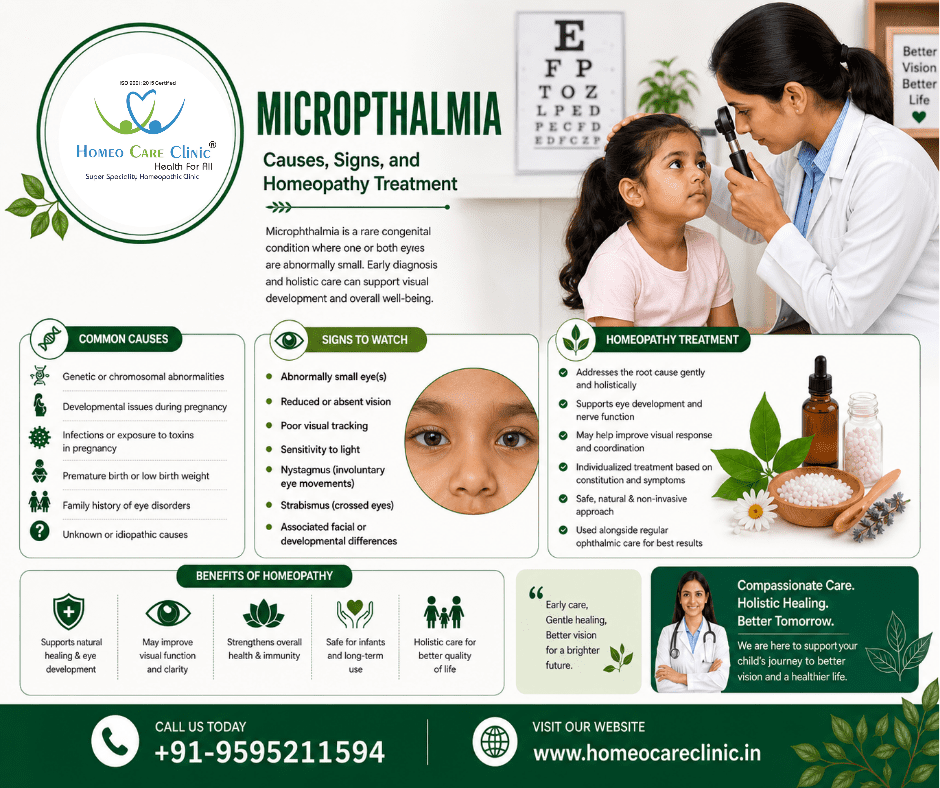
The Microphthalmia Meaning: What Actually Happens?
To really grasp the microphthalmia meaning, you kinda have to go back to the very beginning. Like, the first month of pregnancy. Most women don’t even know they’re pregnant yet.
Around week three, the baby’s central nervous system starts pushing out these two tiny grooves. They eventually form the optic vesicles. Think of them like little balloons inflating out of the brain. These balloons fold inward and make a cup shape. That cup turns into the retina, the lens, the cornea—basically the whole eye.
But sometimes… it just stops.
The cellular growth hits a wall. The eye is there, technically. But it is way, way too small.
I should probably clear something up. People confuse this with anophthalmia a lot. In anophthalmia, there is literally no eye. The socket is totally empty. With the condition we’re talking about, there is actual eye tissue sitting in the orbit. It just falls way short of the size a newborn’s eye should be.
And the reality of the situation depends entirely on the internal wiring. Sometimes, that tiny eye actually has a working optic nerve. The retina is somewhat okay, and the kid can actually see shadows or colors. Other times? The inside is a disorganized mess. Cystic tissue. Totally blind.
Microphthalmia Causes: Tracing the Origin
Why does a baby just stop growing an eye?
Doctors generally group microphthalmia causes into three big buckets: genetics, chromosomes, and whatever is going on inside the womb environment.
1. Genetic Mutations The human body builds an eye using a really specific genetic blueprint. If there’s a typo in the blueprint, the building collapses.
- The SOX2 Gene: This is the big one. SOX2 basically tells the body how to make eye tissue. A mutation here almost guarantees things are going to go sideways.
- PAX6 and OTX2: These genes are like the foremen on the construction site for the iris and retina. If they clock out early, the inside of the eye doesn’t form.
2. Chromosomal Abnormalities Sometimes it’s not just one tiny gene. It’s an entire chromosome that got copied wrong.
- Trisomy 13 (Patau Syndrome): An extra copy of chromosome 13 is devastating. Tiny eyes are a huge red flag for this, and it usually comes with really bad heart and brain defects.
- Trisomy 18 (Edwards Syndrome): Similar deal. The whole system is crashing, and eye growth just gets abandoned in the first trimester.
3. Environmental Triggers The first eight weeks of pregnancy are fragile. Like, walking-on-eggshells fragile.
- Maternal Infections: We always check the TORCH panel. If a mom catches Toxoplasmosis, Rubella, Cytomegalovirus (CMV), or Herpes early on… the virus can actually cross the placenta and attack the baby’s eye. It’s awful.
- Toxins and Drugs: Heavy drinking, certain heavy-duty acne pills (like isotretinoin), or weird environmental toxins can just shut down eye development.
- Nutritional Deficits: A baby needs a massive amount of Vitamin A to build an eye. If the mom is severely, dangerously deficient, the eye just can’t build itself.
Types of the Condition
Every kid is different. You can’t just slap a label on them and walk away. We have to figure out how bad it is and if it’s on both sides.
Simple vs. Complex
- Simple: The eye is tiny, but the architecture is actually fine. The retina is attached. The nerve plugs into the brain. These kids often have some vision, even if they need really thick glasses.
- Complex: The small size is the least of their problems. The eye is missing chunks of tissue (colobomas), or they have thick cataracts, or the cornea is a scarred mess. Vision is usually a no-go here.
Unilateral vs. Bilateral
- Unilateral: Only one eye is affected. The other one is totally normal. This creates a huge mechanical headache. A baby’s facial bones only grow because the eyeball pushes against them from the inside. If one eye is the size of a pea, that side of the face will just stop growing. Half their face will look sunken.
- Bilateral: Both eyes are tiny. This almost always means there’s a bigger genetic syndrome at play, and we have to immediately check their heart and kidneys.
Signs and Symptoms Microphthalmia
You don’t need a microscope to see this in the delivery room. It’s usually pretty obvious right away.
- Small Globe: The cornea (the clear front part) is way smaller than the usual 9 or 10 millimeters.
- Drooping Eyelid (Ptosis): An eyelid needs an eyeball to rest on. If the eyeball is tiny, the lid just sags.
- Sunken Orbit: Like I said before, the face looks uneven.
- Nystagmus: Their eyes might shake or dart around constantly. The brain isn’t getting a clear picture, so it keeps moving the eyes trying to find something to focus on.
- Strabismus: The tiny eye might wander off to the left or right.
Conventional Microphthalmia Treatment
Okay, time for a reality check.
Surgeons cannot build a working optic nerve. They cannot inflate a tiny eyeball like a tire. They just can’t. So standard microphthalmia treatment is mostly about mechanics and making sure the kid’s face doesn’t grow lopsided.
1. Conformer Therapy This is the main event. A few weeks after the baby is born, a pediatric ocularist takes a clear, plastic dome—called a conformer—and pops it under the baby’s eyelids. Yes, the baby hates it. Yes, they cry. But it acts like a placeholder. It stretches the tissue. Every few weeks, you take it out and put a slightly bigger one in. This forces the orbital bone to grow. If you skip this, the child’s skull will literally deform.
2. Custom Prosthetics When the kid is maybe a year or two old and the socket is big enough, you ditch the clear plastic. You get a painted prosthetic shell. If the tiny eye is totally blind, this shell just sits right over it like a giant contact lens. A good ocularist will hand-paint it to perfectly match the good eye. It looks amazing.
3. Patching and Vision Therapy If the tiny eye can actually see a little bit? You have to patch the good eye. Usually for a few hours a day. It forces the brain to use the weak eye. If you don’t do this, the brain just ignores the weak eye forever.
What about India? I hear people say they need to fly to the US or London to get this done right. Nope. The level of microphthalmia treatment in india is insane right now. Major centers use the exact same medical-grade acrylics. The ocularists here are brilliant at hand-painting these things, and the multi-specialty hospitals make doing the whole conformer therapy over years totally doable. You don’t have to bankrupt yourself flying across the world.
Homeopathy Treatment
Listen.
I’m going to say this loud and clear: homeopathy is not going to magically grow a new eyeball. Anyone who tells you a little sugar pill will reverse a congenital birth defect is a scam artist. Period.
So why even use it?
Because this whole process is brutal. These kids have pieces of hard acrylic shoved into their eye sockets 24/7. It rubs. It causes friction. Their sockets get inflamed, and they leak this thick, painful yellow discharge. Regular doctors just throw antibiotic eye drops at them constantly. After a few years, the kid’s local immune system is completely shot.
That’s where we step in. We prescribe based on the kid’s whole constitution. We fix the immune response so they stop getting infected. We help their bones grow.
Here are the 5 remedies we reach for the most:
1. Calcarea Carbonica
- Indicated for: Slow bone growth and just generally being weak.
- Best suited for: You know the kid. They take forever to learn to sit up or walk. They are a bit chubby, and when they sleep, their head sweats so much the pillow gets soaked. Every time the wind blows, they catch a cold.
- Key actions: Conformer therapy only works if the facial bones actually respond to being stretched. Calc carb helps the body process calcium. It makes sure those orbital bones are strong enough to grow when the ocularist puts the pressure on.
2. Phosphorus
- Indicated for: Tired nerves and hating bright lights.
- Best suited for: The tall, skinny kid who jumps at loud noises. They are super observant but exhaust themselves easily. They usually hate bright lights (photophobia).
- Key actions: This is all about the nerves. If the kid has a little bit of vision in that tiny eye, or if you are desperately trying to keep the one good eye perfectly healthy, Phosphorus supports blood flow to the retina.
3. Silicea (Silica)
- Indicated for: Gross socket infections that won’t go away.
- Best suited for: The kid who is always freezing cold. They have zero stamina. They get a tiny scratch and it gets infected. They get styes all the time.
- Key actions: That acrylic shell is a foreign body. The immune system hates it. Silicea basically talks the immune system off a ledge. It drastically cuts down the socket inflammation and clears out that nasty green discharge so you don’t have to use antibiotics every three weeks.
4. Syphilinum
- Indicated for: Really bad, deep-seated birth defects.
- Best suited for: The super complicated cases. Usually bilateral. Maybe there’s a family history of weird genetic stuff. And the kid always feels way worse at night.
- Key actions: We don’t use this every day. It’s a deep miasmatic remedy. You give it rarely, just to kind of break up the genetic roadblock and stop the tissues from degenerating any further.
5. Euphrasia Officinalis
- Indicated for: Red, angry, burning, watering eyes.
- Best suited for: The kid who walks in and their cheek is practically raw from crying. The tears are acrid—they literally burn the skin.
- Key actions: This is the rescue remedy. When they get a bigger conformer put in and the socket is furious and red, Euphrasia calms it down fast. It just stops the burning.
Why Choose Homeo Care Clinic?
You can’t handle a case like this by just reading a textbook. You need someone who has seen it a hundred times.
That’s why people end up at Homeo Care Clinic. Under Dr. Vaseem Choudhary, things just run differently.
- Actually Knowing What Works: Dr. Vaseem Choudhary has nearly 20 years of experience. That’s a long time to figure out exactly how constitutional prescribing fits in with severe pathology. No guesswork.
- We Work WITH the Surgeons: We never tell a parent to stop seeing their ocularist. That’s crazy. We run our treatment alongside theirs. They handle the mechanics; we handle the side effects and the immune system.
- Right Here in Pune: If you need chronic care, you can’t be driving three hours. With clinics in Viman Nagar, Hadapsar, and Magarpatta, families can actually get to us without ruining their whole week.
- Getting Off the Antibiotic Treadmill: The constant eye drops ruin a kid’s resistance. We use targeted remedies to make the socket naturally hostile to bacteria, so the infections just stop happening.
- Treating the Trauma: Growing up with a facial difference and constantly going to hospitals messes with a kid’s head. They get anxious. They stop sleeping. We treat that too.
Benefits of Homeopathy in Congenital Care
So why bother adding this to the mix?
- No Weird Chemical Reactions: These remedies are basically nanomedicine. They won’t interact with the anesthesia if the kid needs cataract surgery.
- Stopping Infections Before They Start: Instead of waiting for the socket to get gooey and infected, we raise the child’s baseline immunity.
- Pain Relief Without Heavy Drugs: Stretching facial bones hurts. Kids get friction burns from the acrylic. We can manage that localized pain and swelling really effectively without handing out painkillers.
- Better Bone Density: The whole facial expansion thing only works if the bones cooperate. Our remedies help the body assimilate calcium better.
- Calming Them Down: You try having doctors poke at your eye since you were a week old. These kids get anxious. Deep constitutional remedies help settle their nervous system so they aren’t fighting the doctors every step of the way.
Lifestyle Protocol
You can give a kid all the remedies in the world, but if the home routine is garbage, they won’t get better.
- Glasses. Always. No Arguing: If they only have one good eye, that eye is gold. I don’t care if they have perfect 20/20 vision in it. You buy shatter-proof polycarbonate glasses, and you strap them to the kid’s head. If a baseball hits that one good eye, they are blind for life. Protect it.
- Clean the Shell the Right Way: Parents have to be militant about cleaning the prosthetic. Take it out with the little suction cup. Use the sterile wash the ocularist gave you. Never, ever run it under the bathroom tap. Tap water has weird amoebas in it that will destroy an eye socket.
- Change the House: If the kid has really bad vision, fix your living room. Tape up the rugs so they don’t trip. Put foam on the coffee table corners. Get really bright LED lamps.
- Get Help Early: Find an occupational therapist before the kid starts falling behind in preschool. They need to learn how to navigate a room without bumping into things.
Diet Protocol
Building a skull and maintaining a nerve takes fuel.
- Load Up on DHA: The optic nerve needs fat. Good fat. Get them taking high-quality fish oil, or sneak ground flaxseeds into their oatmeal.
- Vitamin A is Not Optional: The retina eats Vitamin A for breakfast. Sweet potatoes, carrots, spinach. If they hate vegetables, figure out how to hide them in a smoothie.
- Calcium and Sun: The facial bones are working overtime trying to expand. They need calcium (milk, almonds) and actual sunshine (Vitamin D) to harden properly.
- Cut the Sugar: Sugar causes inflammation. The kid’s eye socket is already inflamed from the plastic shell. Stop making it worse by feeding them junk food and processed snacks.
5 Commonly Asked FAQs
1. Is the small eye ever going to catch up and grow to a normal size?
- Nope. The growth phase stopped in the womb.
- It’s never going to hit a growth spurt on its own.
- That’s why the ocularist has to use conformers to force the face to stretch.
2. Did I do something wrong during pregnancy to cause this?
- Probably not. Sometimes a gene just mutates on its own. It’s random.
- Yes, some microphthalmia causes are tied to infections like Rubella early in pregnancy, but a lot of times it’s just bad luck. Don’t beat yourself up.
3. Does the fake eye move around like a real one?
- Yeah, usually it does!
- If the tiny eye is still in there and the muscles are attached, the painted shell just sits on top like a saddle.
- When the tiny eye looks left, the shell looks left. It looks incredibly natural.
4. How soon do we have to start all this conformer stuff?
- Like, yesterday. Honestly, within the first month of life.
- A baby’s skull is super soft. You want to stretch it while it’s easy.
- If you wait a year, the bones harden and the face will stay asymmetrical.
5. Do I need to take my kid out of the country for good treatment?
- Absolutely not.
- The microphthalmia treatment in india is fantastic. We have world-class ocularists right here.
- You can get the exact same prosthetics and multi-specialty care for a fraction of what it costs in the US.
Conclusion
So yeah. That’s the rundown.
Finding out your kid has Microphthalmia is basically a nightmare scenario for a new parent. But once you understand the microphthalmia meaning and accept that the eye just didn’t finish growing, you can stop panicking and start doing something about it.
We know the microphthalmia causes are mostly out of our hands. What is in our hands is the microphthalmia treatment. You get the conformers in early, you protect whatever vision is left, and you keep their system strong. And seriously, finding good microphthalmia treatment in india is not the impossible task it used to be. Combine that with some solid, constitutional homeopathy at Homeo Care Clinic with Dr. Vaseem Choudhary, and these kids end up doing great. They really do. They go to school, they play sports, they figure it out.
“Your health deserves more than temporary relief. Choose homeopathy for lasting results”
Start your journey towards better focus today.
About the Author Bio:
Dr. Vaseem Choudhary M.D is a seasoned classical homeopath with over 16+ years of experience, dedicated to treating patients with compassion, precision and holistic care. Mainly in Pune & Mumbai, serving both national and international patients from UK, USA, Germany, France, Canada, Bhutan, Dubai and China. With a wide range of acute and chronic conditions—from skin disorders, hormonal issues, and digestive problems to autoimmune diseases and mental health concerns.
Dr. Vaseem is widely respected for his unique approach that combines classical homeopathy, personalized diet planning, lifestyle guidance, and a spiritual perspective on healing. He is known for his detailed and empathetic case-taking process, which focuses on treating the root cause rather than just symptoms.
In recognition of his dedication and clinical excellence, Dr. Vaseem Choudhary MD has been honored with the Best Homeopathic Doctor in Pune award by leading platforms such as:
- Awarded for International Excellence in Autism & ADHD Treatment 2026 in UK Parliament, London
- Dr. Vaseem Choudhary honoured at the UK Parliament, receiving International recognition PG from the London College of Homeopathy 2026
- Dr. Vaseem Choudhary, MD, was further acknowledged in Dubai in 2026 for his expertise in Autism and ADHD, reinforcing his growing international recognition in this field
- Best Homeopathy Doctor in Pune – National Healthcare Service Excellence Awards 2024
- Most Trusted Centre for Autism and ADHD in India 2025 – Healthcare Excellence & Leadership Awards
- Best Homeopathy Doctor in Pune – Dr. Vaseem Choudhary Shines at Ayush 2nd International Conference, Dubai
- Recognized for spearheading homeopathic treatment protocols, improving patient satisfaction, and healthcare advancements.
He is also a contributing author to the International Journal of Homeopathy and Natural Medicines (IJHNM), where he shares his research and clinical experiences with the global medical community.
With a passion to take homeopathy to new heights, Dr. Vaseem continues to guide patients towards natural, safe, and sustainable healing.
Homeo Care Clinic offers a holistic approach to treating the disease. The remedies mentioned above can treat the underlying causes of the condition and offer relief from the discomfort. However, it is important to consult a qualified homeopathic practitioner for the correct dosage and duration of treatment. Homeo Care Clinic provides comprehensive care for various ailments, and offers customized treatment plans based on individual requirements.
To schedule an appointment or learn more about our treatment, please visit our website or give us a call +91 9595211594 our best homeopathy doctor will be here to help.
Follow us on Facebook, Twitter and Instagram for valuable insights into the world of homeopathy and holistic health.
- Facebook– https://www.facebook.com/homeocareclinicpune
- Instagram– https://www.instagram.com/homeocareclinic_in
- Website– https://linktr.ee/homeocareclinic
- Success Stories of Patients –https://www.homeocareclinic.in/category/case-study/
- Patient Testimonials – https://www.homeocareclinic.in/testimonial/
Chat with a best homeopathic doctor privately:
If you have any queries regarding your disease or any symptoms, click to send a What‘s App message. Our best homeopathy doctor will be happy to answer you. About Us Click
Book an Appointment:
If you want to visit our clinic, click to book an appointment.
Online treatment:
If you are a busy professional, or you are living in a remote town or city, with no best homeopathic doctor near you, Click to start an online homeopathic treatment with the world’s exclusive, most experienced and best homeopathic clinic, managed by Dr. Vaseem Choudhary world-renowned homeopathic doctor expert
- About Us – https://www.homeocareclinic.in/about-us/
- Our Doctors –https://www.homeocareclinic.in/team/