

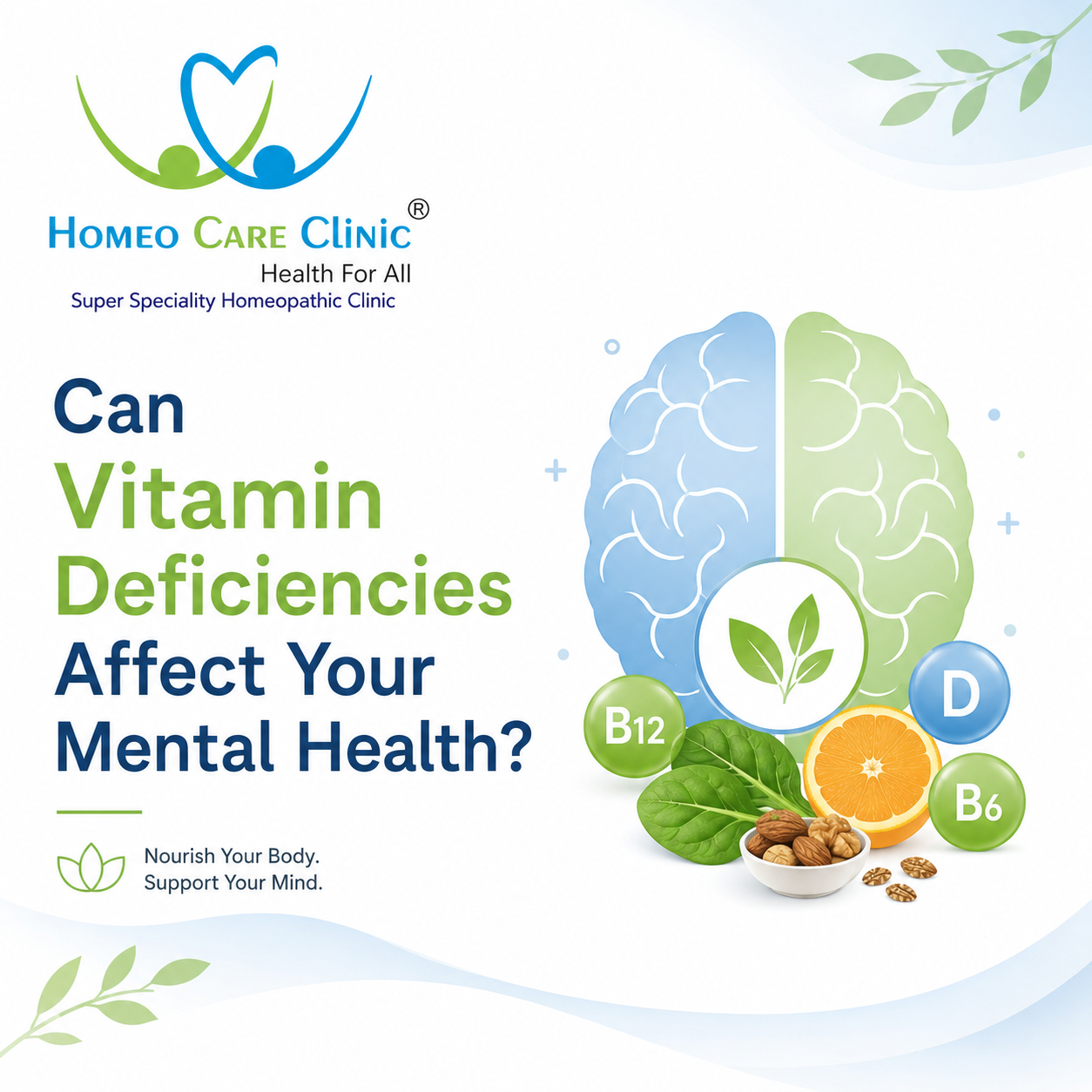
Vitamin deficiency and mental health are more closely connected than many people realize. Essential vitamins and minerals help support brain function, energy production, neurotransmitter activity and overall well-being. Deficiencies in nutrients such as vitamin B12, vitamin D and iron may be associated with symptoms such as fatigue, poor concentration, low mood or changes in cognitive function.
However, these symptoms can have many possible causes. A nutrient deficiency should be confirmed through appropriate medical evaluation rather than assuming that supplements alone will solve a mental health concern.
What Is the Connection Between Vitamin Deficiency and Mental Health?
Vitamin deficiency and mental health are connected because several essential nutrients are involved in normal brain function, energy metabolism and nervous-system processes. When the body does not receive or absorb enough of certain nutrients, deficiency-related symptoms can sometimes include tiredness, difficulty concentrating, mood changes or neurological problems.
Nutrition is only one factor affecting mental health. Sleep, stress, physical health, medications, hormonal changes and psychological conditions can also influence mood and cognitive function.
How Nutrition Supports Brain Health
The brain requires a consistent supply of nutrients to support:
- Energy production
- Normal nervous-system function
- Neurotransmitter activity
- Red blood cell production
- Oxygen delivery
- Cognitive function
- Normal immune and metabolic processes
This is why nutrition and mental health are often discussed together. A nutritious diet can support overall health, but it should not be considered a replacement for professional treatment when someone has a diagnosed mental health condition.
Can Vitamin B12 Deficiency Affect Mental Health?
Vitamin B12 deficiency can affect the nervous system and may cause symptoms such as tiredness, weakness, numbness or tingling, balance problems and cognitive changes. In more significant or prolonged deficiency, neurological symptoms can occur, which is why identifying and treating B12 deficiency is important.
Vitamin B12 is involved in red blood cell formation and normal neurological function. People who have a higher risk of deficiency may include those with certain gastrointestinal conditions, absorption problems or diets that contain little or no animal-derived food unless appropriately supplemented.
Vitamin B12 Deficiency Symptoms
Possible vitamin B12 deficiency symptoms include:
- Persistent tiredness or weakness
- Pale skin
- Numbness or tingling in the hands and feet
- Difficulty with balance
- Memory or concentration difficulties
- Glossitis or a sore tongue
- Reduced appetite in some individuals
- Neurological changes in prolonged or severe deficiency
Not every person with these symptoms has a B12 deficiency. Similar symptoms can occur with anemia, thyroid disorders, sleep problems, stress and other health conditions.
Vitamin D and Mood: Is There a Connection?
Vitamin D plays several important roles in the body, and low vitamin D levels have been associated with various health outcomes, including mood-related symptoms. However, an association does not prove that vitamin D deficiency directly causes depression or that vitamin D supplements can treat depression in every person.
Vitamin D is produced in the skin following exposure to sunlight and is also obtained from certain foods and supplements. People with limited sun exposure, certain absorption disorders or other risk factors may be more likely to have inadequate vitamin D levels.
Vitamin D and Mood
When discussing vitamin D and mood, it is important to distinguish between deficiency and mental health disorders.
Low vitamin D may occur alongside:
- Low energy
- General tiredness
- Changes in mood
- Muscle weakness
- Bone or muscle-related symptoms
If you experience persistent sadness, loss of interest, anxiety or other significant emotional symptoms, consult a qualified mental health or medical professional rather than assuming that vitamin D is the underlying cause.
How Does Iron Deficiency Cause Fatigue?
Iron is essential for hemoglobin production, which allows red blood cells to carry oxygen throughout the body. Iron deficiency can therefore lead to fatigue, weakness and reduced physical capacity, particularly when it develops into iron-deficiency anemia.
Iron deficiency is one of the most important nutritional causes to consider when someone experiences unexplained or persistent fatigue.
Common Signs of Iron Deficiency
Possible symptoms include:
- Fatigue and low energy
- Weakness
- Shortness of breath during activity
- Dizziness or light-headedness
- Pale skin
- Headaches
- Reduced exercise tolerance
- Difficulty concentrating
Iron deficiency fatigue can affect everyday activities and may make it harder to maintain normal productivity and concentration.
Women with heavy menstrual bleeding, people with certain gastrointestinal conditions and individuals with inadequate dietary iron intake may have a higher risk of iron deficiency.
Vitamin Deficiency, Mood and Cognitive Function
Different nutrients perform different functions, so symptoms can overlap.
| Nutrient | Important Role | Possible Deficiency-Related Symptoms |
| Vitamin B12 | Red blood cell and nervous-system function | Fatigue, weakness, neurological or cognitive changes |
| Vitamin D | Bone, muscle and immune functions | Fatigue, muscle weakness and possible mood-related symptoms |
| Iron | Hemoglobin and oxygen transport | Fatigue, weakness, dizziness and reduced exercise tolerance |
| Folate | DNA synthesis and red blood cell formation | Anemia-related fatigue and other deficiency symptoms |
| Zinc | Immune and cellular functions | Changes in taste or appetite and other deficiency-related effects |
A person should not assume that a specific symptom automatically identifies a specific nutrient deficiency. Testing and clinical assessment may be necessary.
How Can Nutrition Support Mental Health?
Nutrition and mental health are connected through the body’s need for adequate energy and essential nutrients. A balanced eating pattern can support overall physical health, brain function and energy levels, while severe dietary restriction can increase the risk of nutritional inadequacy.
A healthy diet generally includes a variety of:
- Vegetables and fruits
- Whole grains
- Pulses and legumes
- Nuts and seeds
- Adequate protein sources
- Healthy fats
- Iron- and B12-containing foods where appropriate
- Vitamin D sources where appropriate
- Adequate fluids
Should You Take Vitamin Supplements for Mental Health?
Supplements may be appropriate when a deficiency has been identified or when a healthcare professional recommends them.
Taking large doses of vitamins without professional guidance is not necessarily beneficial and can sometimes cause harm. The right supplement, dose and duration depend on factors such as the person’s age, diet, health status, medications and laboratory results.
How Are Vitamin Deficiencies Diagnosed?
Vitamin deficiencies are usually evaluated through a combination of medical history, symptoms, dietary assessment and laboratory testing when appropriate. A healthcare professional can determine which tests are relevant based on the individual’s symptoms and risk factors.
Depending on the situation, an evaluation may include tests related to:
- Vitamin B12
- Folate
- Vitamin D
- Iron status
- Complete blood count
- Thyroid function
- Other nutrients or medical conditions when indicated
Testing is particularly important when fatigue, neurological symptoms, persistent mood changes or unexplained physical symptoms continue.
Can Nutritional Deficiencies Also Affect Hair Health?
Nutrition can influence hair health because hair follicles require adequate nutrients for normal growth. Existing Homeo Care Clinic content also identifies iron, vitamin D and vitamin B12 among nutritional factors that may contribute to reduced hair density.
If you are experiencing persistent hair thinning along with fatigue or other symptoms, it is important to investigate possible underlying causes rather than assuming that hair loss is simply a cosmetic problem.
For readers specifically concerned about reduced hair density, explore Homeo Care Clinic’s hair-density information for information about nutritional, hormonal, scalp-related and other possible factors.
When Should You See a Doctor?
You should consider professional evaluation if symptoms are:
- Persistent or worsening
- Affecting work, studies or daily activities
- Associated with significant fatigue
- Accompanied by numbness or tingling
- Associated with unexplained weight or appetite changes
- Occurring alongside persistent low mood or anxiety
- Accompanied by noticeable hair thinning or excessive hair shedding
Mental health symptoms deserve proper attention. If you are experiencing significant depression, anxiety, suicidal thoughts or another mental health crisis, seek appropriate professional help promptly.
How Homeo Care Clinic Can Help With Hair and Scalp Concerns
Homeo Care Clinic provides consultation and hair-focused treatments in Pune, including hair fall treatment, hair-density evaluation and PRP-related hair restoration services. Its website describes personalized consultations and treatment options for concerns including hair fall, alopecia areata and reduced hair density.
For people concerned about hair changes that may be associated with nutritional or other underlying factors, identifying the cause is an important first step. Depending on the assessment, treatment may involve addressing the underlying nutritional or medical issue and considering appropriate hair-restoration options.
Homeo Care Clinic also provides PRP hair treatment in Pune. PRP uses platelet-rich plasma prepared from the patient’s blood and is positioned by the clinic as a non-surgical hair-restoration option.
FAQs
Can vitamin deficiency affect mental health?
Yes. Some nutritional deficiencies can produce symptoms involving energy, concentration, neurological function or mood. However, vitamin deficiency is only one possible contributor to mental health symptoms and should be confirmed through appropriate medical evaluation.
What are the most common vitamin B12 deficiency symptoms?
Vitamin B12 deficiency symptoms may include fatigue, weakness, pale skin, numbness or tingling, balance problems and cognitive or neurological changes. Symptoms vary between individuals and can overlap with other health conditions.
Can vitamin D deficiency cause low mood?
Low vitamin D has been associated with mood-related symptoms, but this does not mean vitamin D deficiency is always the cause of low mood or depression. Persistent mental health symptoms should be professionally evaluated.
Can iron deficiency cause fatigue?
Yes. Iron deficiency can cause fatigue and weakness, particularly when it results in iron-deficiency anemia. Other symptoms can include dizziness, headaches and reduced exercise tolerance.
What foods support brain health?
A varied diet containing vegetables, fruits, whole grains, legumes, nuts, seeds, adequate protein and healthy fats can support overall health and provide nutrients important for normal brain function.
Should I take vitamins if I feel tired or depressed?
Not automatically. Fatigue and mood changes have many possible causes. A healthcare professional can determine whether nutritional testing or another form of evaluation is appropriate before supplementation.
Can nutritional deficiencies cause hair thinning?
Certain nutritional deficiencies, including inadequate iron and some vitamin deficiencies, can be associated with hair changes. Persistent hair thinning should be evaluated because hormonal, genetic, scalp-related and other factors can also contribute.
About the Author Bio:
Dr. Vaseem Choudhary
Homeopathic Physician | 20+ Years Experience
Specialist in Chronic & Behavioral Disorders
LinkedIn: Dr. Vaseem Choudhary
Clinic: Homeo Care Clinic, Pune
Dr. Vaseem Choudhary M.D is a seasoned classical homeopath with over 16+ years of experience, dedicated to treating patients with compassion, precision and holistic care. Mainly in Pune & Mumbai, serving both national and international patients from UK, USA, Germany, France, Canada, Bhutan, Dubai and China. With a wide range of acute and chronic conditions—from skin disorders, hormonal issues, and digestive problems to autoimmune diseases and mental health concerns.
Dr. Vaseem is widely respected for his unique approach that combines classical homeopathy, personalized diet planning, lifestyle guidance, and a spiritual perspective on healing. He is known for his detailed and empathetic case-taking process, which focuses on treating the root cause rather than just symptoms.
In recognition of his dedication and clinical excellence, Dr. Vaseem Choudhary MD has been honored with the Best Homeopathic Doctor in Pune award by leading platforms such as:
- Awarded for International Excellence in Autism & ADHD Treatment 2026 in UK Parliament, London
- Dr. Vaseem Choudhary honoured at the UK Parliament, receiving International recognition PG from the London College of Homeopathy 2026
- Dr. Vaseem Choudhary, MD, was further acknowledged in Dubai in 2026 for his expertise in Autism and ADHD, reinforcing his growing international recognition in this field
- Best Homeopathy Doctor in Pune – National Healthcare Service Excellence Awards 2024
- Most Trusted Centre for Autism and ADHD in India 2025 – Healthcare Excellence & Leadership Awards
- Best Homeopathy Doctor in Pune – Dr. Vaseem Choudhary Shines at Ayush 2nd International Conference, Dubai
- Recognized for spearheading homeopathic treatment protocols, improving patient satisfaction, and healthcare advancements.
He is also a contributing author to the International Journal of Homeopathy and Natural Medicines (IJHNM), where he shares his research and clinical experiences with the global medical community.
With a passion to take homeopathy to new heights, Dr. Vaseem continues to guide patients towards natural, safe, and sustainable healing.
Homeo Care Clinic offers a holistic approach to treating the disease. The remedies mentioned above can treat the underlying causes of the condition and offer relief from the discomfort. However, it is important to consult a qualified homeopathic practitioner for the correct dosage and duration of treatment. Homeo Care Clinic provides comprehensive care for various ailments, and offers customized treatment plans based on individual requirements.
To schedule an appointment or learn more about our treatment, please visit our website or give us a call +91 9595211594 our best homeopathy doctor will be here to help.
- Success Stories of Patients –https://www.homeocareclinic.in/category/case-study/
- Patient Testimonials – https://www.homeocareclinic.in/testimonial/
Chat with a best homeopathic doctor privately:
If you have any queries regarding your disease or any symptoms, click to send a What‘s App message. Our best homeopathy doctor will be happy to answer you. About Us Click
Book an Appointment:
If you want to visit our clinic, click to book an appointment.
Online treatment:
If you are a busy professional, or you are living in a remote town or city, with no best homeopathic doctor near you, Click to start an online homeopathic treatment with the world’s exclusive, most experienced and best homeopathic clinic, managed by Dr. Vaseem Choudhary world-renowned homeopathic doctor expert
- Our Doctors –https://www.homeocareclinic.in/team/